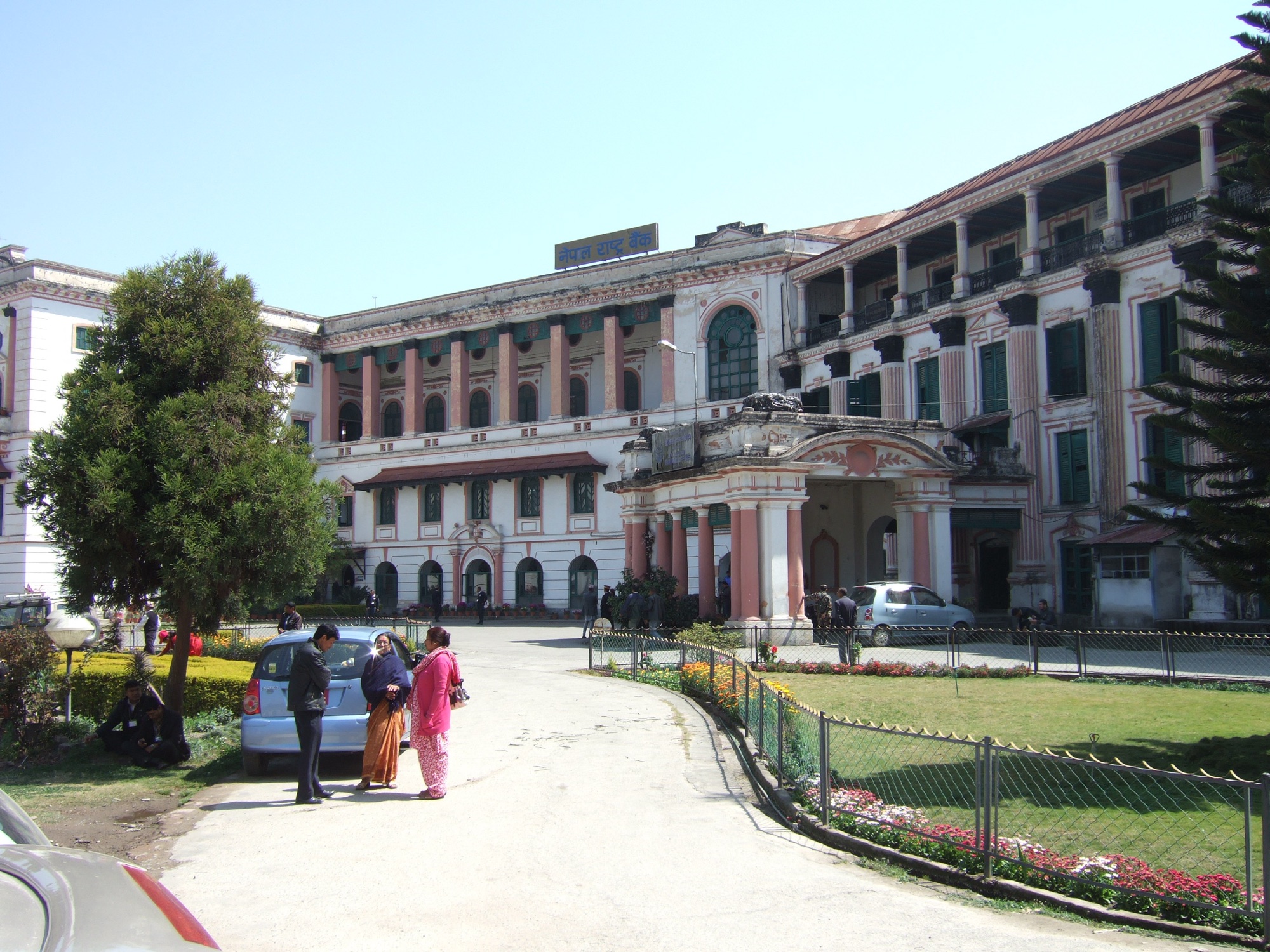
Nepal Rastra Bank governor Poudel earns B in Global Finance report
A B grade for Bishwanath Poudel reflects strong reserves, but sluggish private lending stopped Nepal's central bank short of an A.
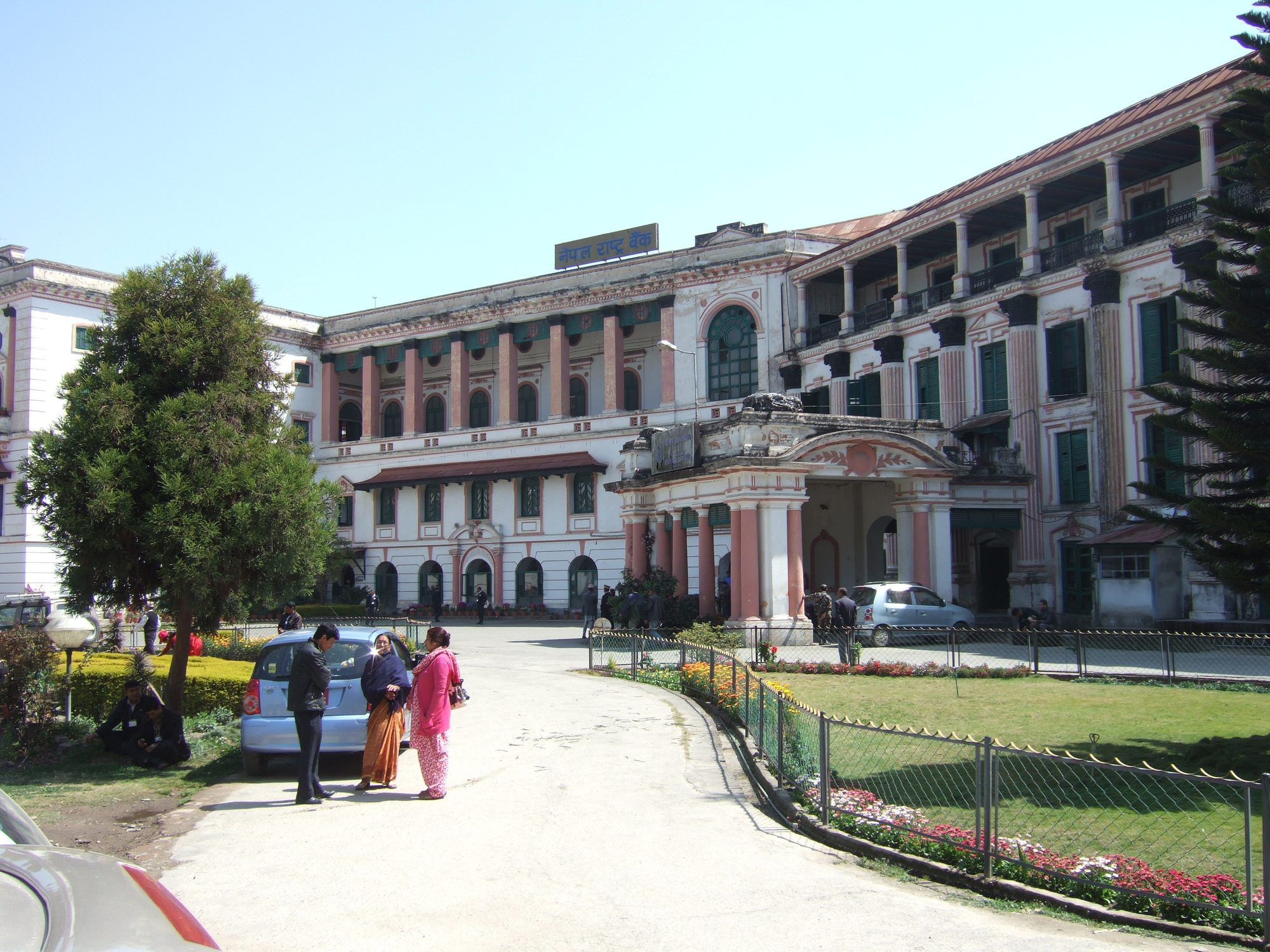
That tension runs through the Central Banker Report Cards 2026, published by the magazine Global Finance, which gave Nepal Rastra Bank (NRB) Governor Bishwanath Poudel a B. The grades cover governors from 105 countries for the period from 1 July 2025 to 30 June 2026. For investors weighing Nepal, the grade is a useful outside reading: the external accounts look strong, but lending at home has not picked up.
What earned the B
The report credits Poudel with shoring up the country's external position and holding inflation in check.
His flexible monetary policy is linked to economic growth of 3.85% in 2025/26. That is a modest figure, and it frames the rest of the assessment. Stability has been delivered; momentum has not.
Source: Global Finance, Central Banker Report Cards 2026
Why not an A
The report says thin growth in domestic credit is what denied Poudel the top grade. Banks carry surplus liquidity above Rs 1tn, or roughly $6.6bn at the central bank's rate of Rs 151.09 to the dollar. Interest rates are historically low.
The gap matters beyond banking. Cheap money that does not reach firms can mean unspent working capital, delayed factories and slower hiring. Reserves built on remittances, which flow from Nepalis working abroad, support the currency and imports, but they do not by themselves create domestic investment.
One possible reading of the pattern is that the constraint lies less in the price of money than in demand for it, or in banks' willingness to lend. With rates already low and credit still sluggish, further cuts may not move it alone.
Source: Central Banker Report Cards 2026
The regional scorecard
In South Asia, India's Sanjay Malhotra received an A. Sri Lanka's Nandalal Weerasinghe got a B-plus and Pakistan's Jameel Ahmad a B-minus. Nepal's B sits in the middle of the group. Worldwide, the A-plus went only to the heads of the central banks of Denmark and Peru.
The comparison is instructive for foreign investors who treat South Asia as one asset class. Nepal ranks behind India and Sri Lanka but ahead of Pakistan.
Earlier grades
NRB governors have been graded before. Maha Prasad Adhikari received a C in 2022 and a B-minus in 2023. Poudel's B is higher than both.
Supervision and the grey list
The report names two priorities for Poudel: stronger supervision of the financial sector and Nepal's removal from the grey list of the Financial Action Task Force (FATF), the global body that monitors money laundering and terrorist financing. These are goals for the period ahead, not reasons for the grade. Grey-list status can raise compliance costs for banks and make correspondent relationships harder to maintain. For a remittance-dependent economy, those links are not a technicality.
The two priorities are connected. A banking system that is better supervised is likelier to satisfy outside assessors, and a cleaner standing abroad may in time ease the caution that keeps lenders from putting liquidity to work at home.
What to watch
The first test is private sector credit growth: does it climb out of the 5% to 7% range toward the 12% target? The second is whether NRB can pair its supervisory work with progress on the FATF grey list. The third is whether the reserves, which covered about 19 months of imports, are matched by growth above the 3.85% recorded in 2025/26. If Poudel's grade is later reported as unchanged, it would suggest stability alone has reached its limit.
How this story was made: researched and written by The Standard’s desk with AI assistance, from the published reporting and official data credited below, and checked against those sources. Our standards.
The long view Nepal's LDC graduation