Nepal lets private firms prepare for cross-border power trade
Kathmandu has agreed in principle to let private companies prepare for cross-border electricity trading, a step beyond generation that stops short of licensed trading.
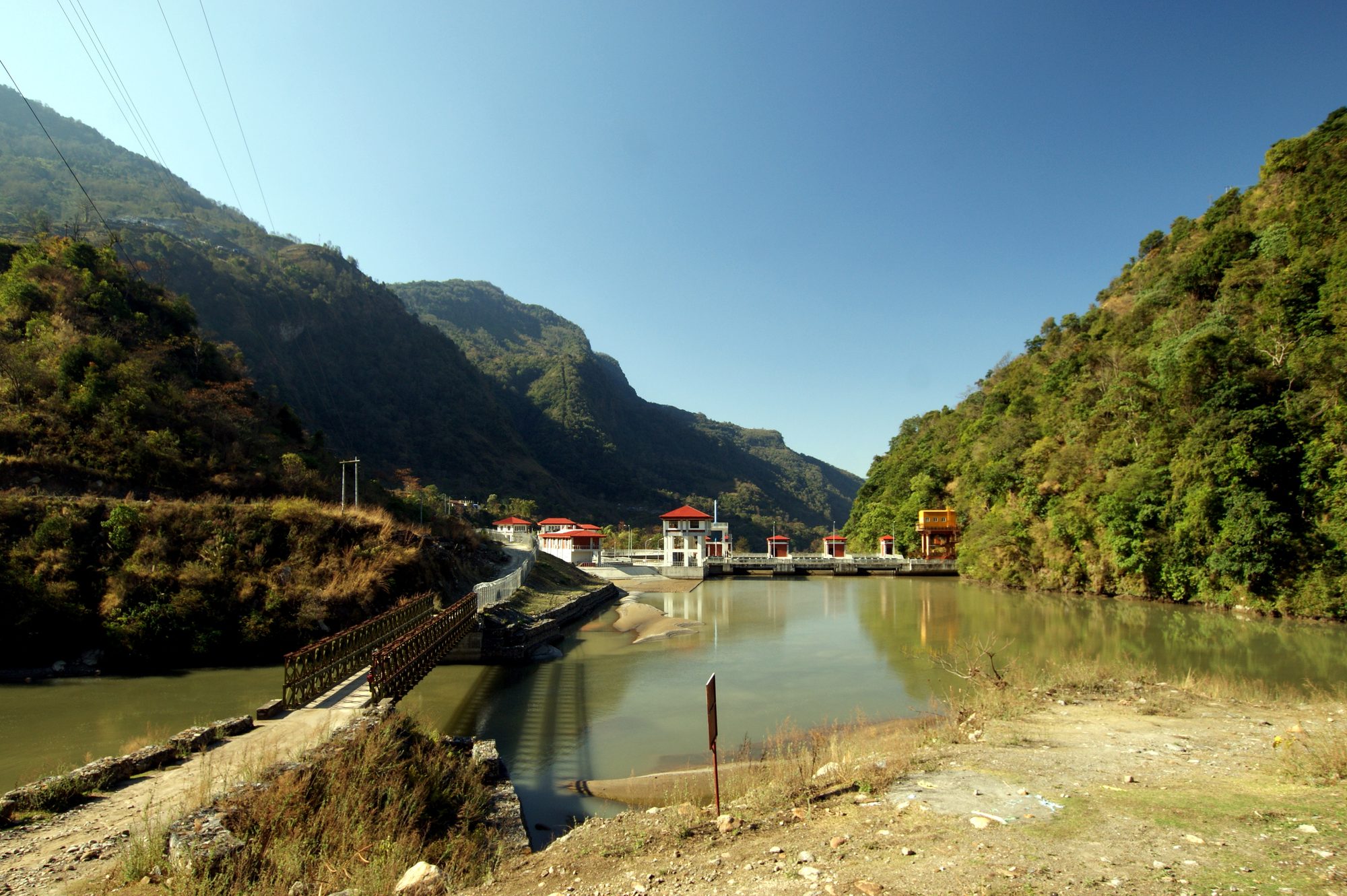
A developer in Nepal can raise money, build a dam and feed power into the national grid. Until now, it could not take part directly in selling that power across a border, because no clear process existed. On Friday, 16 October 2026, Energy, Water Resources and Irrigation Minister Biraj Bhakta Shrestha decided to change that, at least for the preparatory stage.
The government will issue letters of intent to private companies, a first. A letter lets a company prepare for electricity trading, but not trade.
For investors, the practical effect is that firms can now work on the market side of the business alongside generation, with a formal footing.
A first step, not a licence
A company holding a letter can look for potential buyers and business partners, at home or abroad. It can also test whether a market is workable and draft the agreements that trade would require.
Actual trading is a later stage. Licences, approvals and technical requirements must be met first, before a company can book transmission capacity or access the transmission system.
- 1Letter of intent issued by the ministry
- 2Market, price and partner studies; draft agreements
- 3Licences, approvals and technical requirements
- 4Transmission access and actual trading
Source: Ministry of Energy, Water Resources and Irrigation decision
Why the gap mattered
A generator that cannot test demand, prices or contract terms commits capital first and learns about the market afterwards. The new arrangement lets some of that learning happen earlier.
Lenders and equity investors price risk, and information on buyers and tariffs is a large part of it. A developer holding a letter might bring firmer evidence to a financing discussion, though how lenders will treat such letters is not yet known.
Conditions and limits
A letter gives no automatic claim to a trading licence. Agreements between a company and its partners create no liability for the government, so private arrangements made at this stage carry no state backing.
Applicants must declare that they are not blacklisted and that their documents are accurate. Where the law requires it, a change in ownership or shareholding needs prior approval. The ministry can suspend, revoke or amend a letter for a breach of conditions, for false or misleading information, or where the public interest or the safe running of the grid requires it.
Source: Ministry of Energy, Water Resources and Irrigation decision
New capacity on the grid
New plants are still coming online. The 30MW Khani Khola hydropower project in Dolakha district began trial generation on 4 October 2026 and is feeding the national grid. Commercial production is scheduled for 19 October 2026, after 15 days of testing. Construction was held up by flooding at the dam site on 9 July 2024.
The sources do not link this plant to the trading decision. As analysis, it illustrates the setting in which the letters arrive: a sector still adding generation, where finding customers is a growing concern.
What to watch
First, how many companies apply, and which: established generators or new entrants seeking to trade.
Second, how the ministry handles the step after the letter. Companies must still win licences and transmission access, and the two-year limit on the letters puts pressure on that sequence.
Third, whether early studies change what gets built. If developers find real prices and willing buyers, new projects may be structured around cross-border contracts. If they do not, the letters will have shown the limits of demand cheaply, before capital is committed.
How this story was made: researched and written by The Standard’s desk with AI assistance, from the published reporting and official data credited below, and checked against those sources. Our standards.
The long view Nepal's hydropower, from load-shedding to exports
The long view Nepal's LDC graduation