Nepal's first road tunnel opens in phases, with tolls set to roughly match its running costs
The Rs 29bn Nagdhunga tunnel took 80 months to build against a 42-month contract. Only cars and small vans use it so far, toll-free, while heavier traffic waits for later phases.
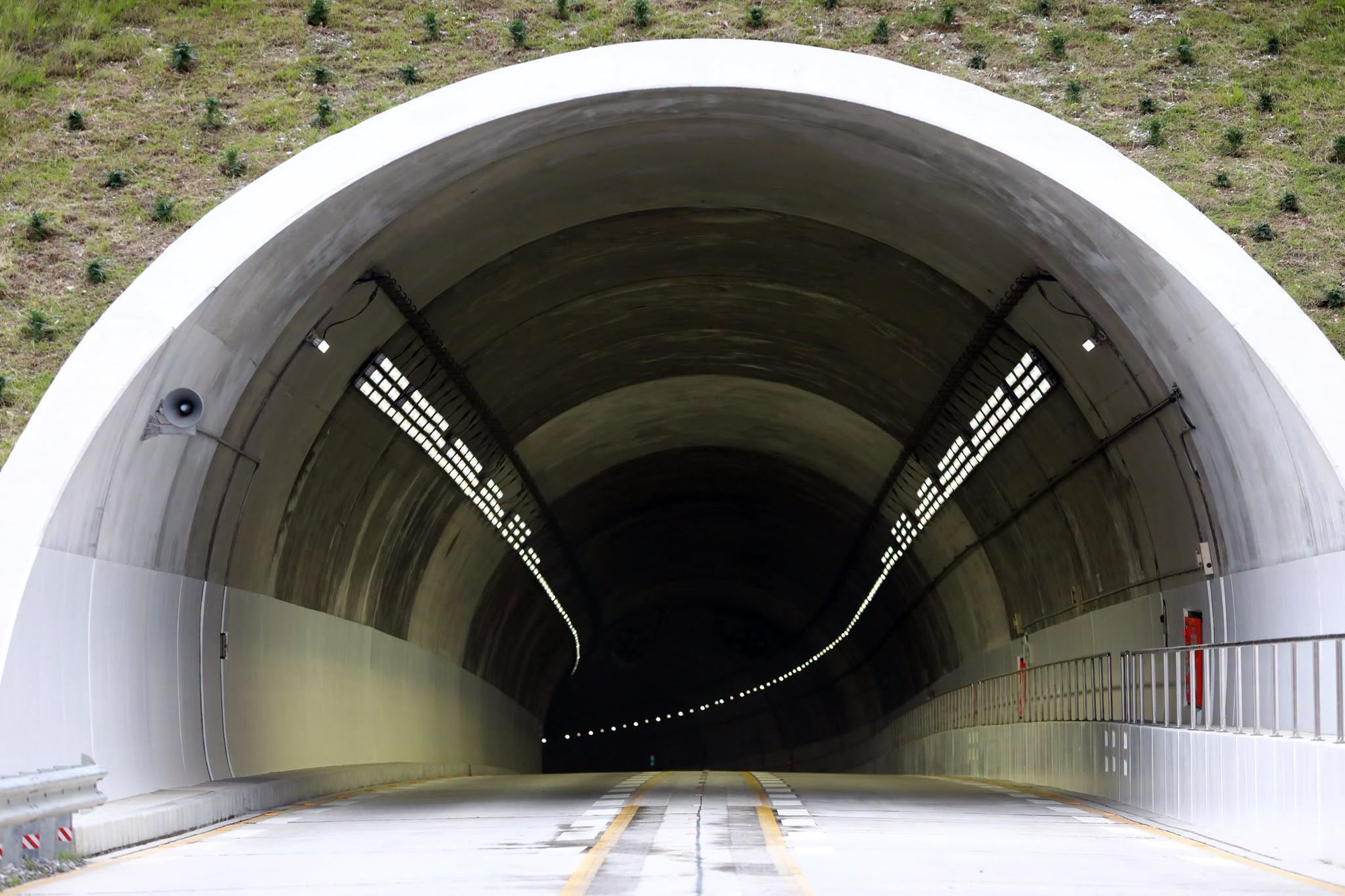
The busiest road into Kathmandu now has a shortcut under the hill at Nagdhunga. The 2.688-kilometre Nagdhunga-Sisnekhola tunnel, the country's first modern road tunnel, was inaugurated on 27 July by the minister for physical infrastructure and transport, Sunil Lamsal, with Japan's ambassador and the president of the Japan International Cooperation Agency (JICA), according to Times of Oman. A drive that could take more than an hour at peak times on the old hill road takes five to seven minutes through the tunnel, the same report said. About 9,000 vehicles use the Nagdhunga corridor each day.
Traffic is being let in gradually. Since 24 August, cars, jeeps, vans and other vehicles with up to nine seats have been allowed through between 9am and 6pm on a trial basis, with no toll and a 40km/h speed limit, The Kathmandu Post reported. Small microbuses and minibuses were next in line, with no fees charged until the month of Ashwin, which runs to mid-October, Kantipur reported. Motorcycles, three-wheelers, pedestrians and vehicles carrying petrol, diesel or LPG are banned.
Eighty months and Rs 29bn
Construction by the Japanese contractor Hazama Ando began on 21 October 2019 under a contract that allowed 42 months, The Kathmandu Post reported. Covid-19, local obstruction and other problems pushed completion to 79 months, with handover in May 2026. A landslide at the western portal on the Dhading side and the slow selection of an operator delayed opening by a further three months from an original 1 January target, Ratopati reported.
The Kathmandu Post put the total cost at Rs 29bn (about $187m), built with Japanese assistance. Sources differ on the split. The Kathmandu Post reported Rs 21.5bn of Japanese concessional loans and Rs 6bn from the government. Times of Oman reported an initial estimate of Rs 22.14bn, a final cost of about Rs 29bn, a JICA loan of Rs 16.5bn and a Nepali contribution of Rs 5.85bn. The project includes a 2,557-metre emergency escape tunnel and 2.8 kilometres of approach roads.
Who runs it, and who pays
The tunnel is operated by Yusin-ART, a joint venture of China's Yusin and Nepal's ART, on a five-year contract with about 150 staff, according to The Kathmandu Post and Times of Oman. Ten bidders had competed, six of them Chinese, three Indian and one Turkish, all in partnership with Nepali firms, Ratopati reported. The government expected operation to cost Rs 250m to Rs 300m a year, according to Ratopati.
Once tolls start, cars will pay Rs 65 entering Kathmandu and Rs 60 leaving, buses and trucks Rs 260 and Rs 200, and the heaviest lorries Rs 600 and Rs 250, The Kathmandu Post reported. Payment will be by electronic tag, RFID sticker, QR code or Fonepay as well as cash. Times of Oman put expected annual toll revenue at about Rs 350m. On those figures, tolls would cover running costs with a little to spare but would contribute little towards repaying the loans.
The tunnel's value to freight depends on heavy vehicles being admitted, which had not happened by the time of the latest reports. Authorities plan to widen the categories of vehicles allowed after analysing feedback from the trial, The Kathmandu Post reported.
What to watch: when buses and lorries are allowed through and tolls begin; the first published traffic and toll figures from the operator; and whether the operator's costs stay within the Rs 250m to Rs 300m a year the government had expected.
How this story was made: researched and written by The Standard’s desk with AI assistance, from the published reporting and official data credited below, and checked against those sources. Our standards.



