Indian visitors pay by phone in Nepal; Nepalis in India still cannot
QR codes have become Nepal's most-used digital payment, and Indian tourists are using them everywhere from temples to tills, but the reverse link remains unfinished.
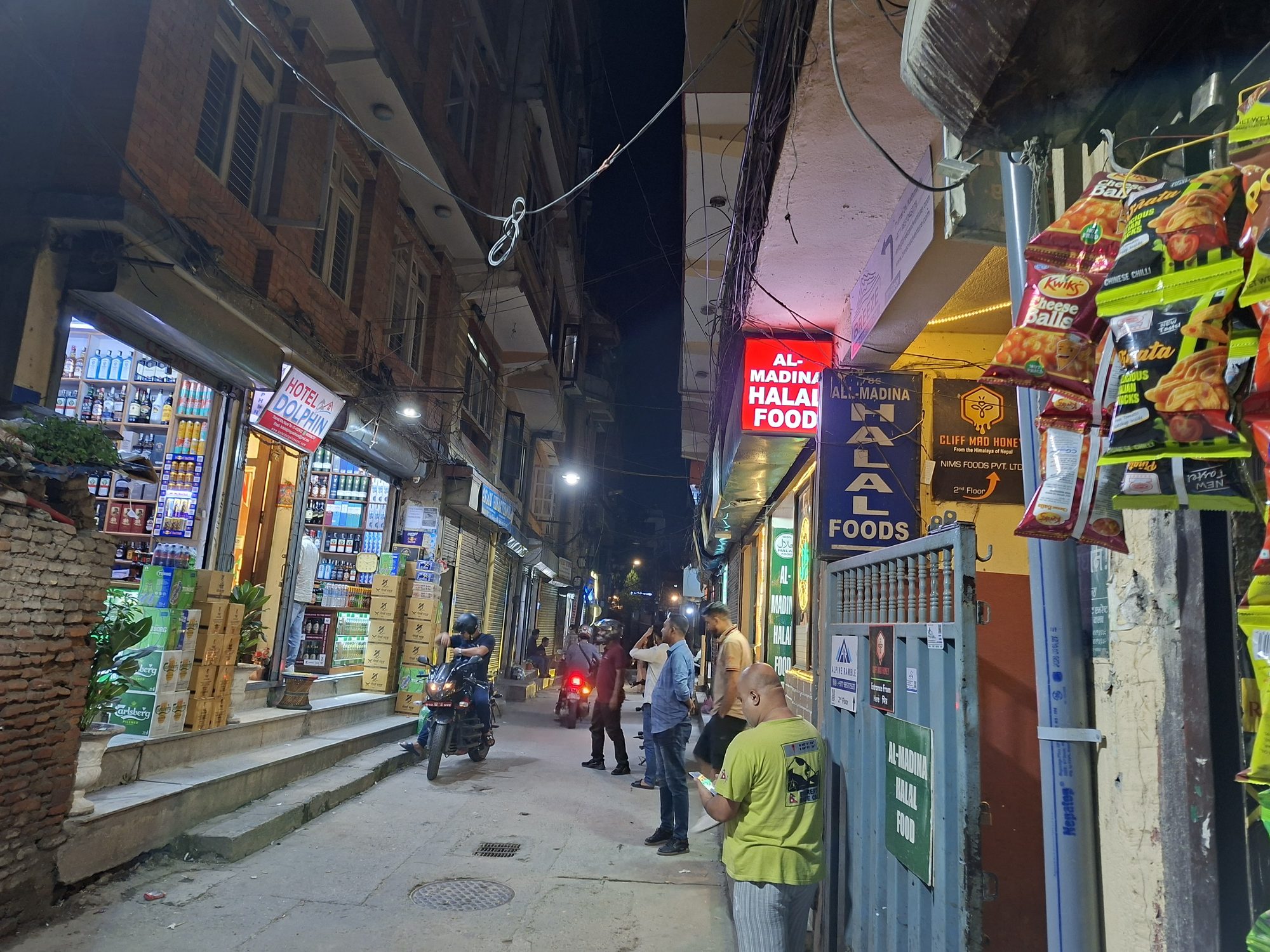
At Pashupatinath, Nepal's most important Hindu temple, Indians now make up about 60% of visitors, according to the administrator of the Pashupati Area Development Trust, quoted by the Kathmandu Post on 9 October. Increasingly they pay for offerings, food and souvenirs without touching a rupee note. The same is true at Chandragiri Hills, the cable-car resort above Kathmandu, at fast-food chains, at supermarkets such as Bhat-Bhateni and Big Mart, and at nightclubs.
The change rests on a link that went live in March 2024 between India's Unified Payments Interface (UPI) and Nepal's QR payment networks, led by Fonepay. Indian visitors can now scan and pay at more than 2m Nepali merchants using the same apps they use at home.
A QR economy
The tourists have arrived in a country that had already moved to QR codes. In its latest payment systems oversight report, Nepal Rastra Bank said QR payments had become the most widely used digital payment instrument in the country. In 2024/25 the number of QR transactions rose 92.5% and their value 91.8%, according to Himal Press's summary of the report. About 2.9m merchants accept them. Transactions through the country's faster payment systems as a whole grew 34.6% by volume.
Monthly data reported by the Kathmandu Post show the pace continuing. Between mid-February and mid-March 2026, QR transactions numbered about 49m, against 27m in the same month a year earlier.
The rails behind this are Fonepay, the country's largest payment network, and the national switch run by Nepal Clearing House. Wallets such as eSewa and Khalti, along with banks' own apps, plug into them. For merchants the appeal is fewer cash-handling costs. For Nepali regulators it is a way to bring more of a cash-heavy economy into view.
The Indian traveller
Indians are Nepal's largest group of foreign visitors. Of 1.162m foreign tourists in 2025, about 293,000 Indians arrived by air, roughly a quarter of the total, and many more crossed the open land border without being systematically counted. Uttar Pradesh and Bihar are the largest sources. At Chandragiri, Indians account for 29% of visitors; at some resorts they fill 40% to 45% of rooms in high season.
Cross-border QR payments average about 8,500 a day, with a record 20,000 on New Year's Day, the Post reported in May. Between mid-February and mid-March 2026 there were 204,606 such transactions.
Cash has also become easier. In January Nepal lifted its decade-long ban on high-denomination Indian banknotes, the Post noted. For visitors who still prefer cash, that removes an old irritant.
The missing half
The link runs one way. Two years after Indians gained the ability to pay in Nepal, Nepalis visiting India still cannot use their own apps to scan UPI codes there. The Post in May identified several reasons. Both governments wanted a prime-ministerial announcement. Indian banks had to be certified by NPCI, which runs UPI. And the two systems price differently: Nepali merchants pay 1.3% to 2% per QR transaction, while UPI payments in India have been free to merchants since January 2020, leaving open who would bear the cost.
In June, after talks in New Delhi between Nepal's foreign minister, Shisir Khanal, and his Indian counterpart, S Jaishankar, the two governments agreed to operationalise cross-border digital payments, including person-to-person transfers between UPI and Nepal's National Payments Interface. The Post reported that the fee question had been settled.
The person-to-person link matters more than tourism. About 15% of Nepal's remittances come from India, and sending money through existing channels can cost around 4% once exchange margins are included, according to the Post. A cheap, instant phone-to-phone route would put more money in the hands of the families of Nepali workers in India. For now, the Indian tourist at Pashupatinath is better served than the Nepali labourer in Delhi.
How this story was made: researched and written by The Standard’s desk with AI assistance, from the published reporting and official data credited below, and checked against those sources. Our standards.
The long view Nepal's LDC graduation



