Nepal's electric car boom meets a new tax regime
Electric cars dominate new sales in a country that imports all its fuel. A value-based levy introduced in May may decide whether that lasts.
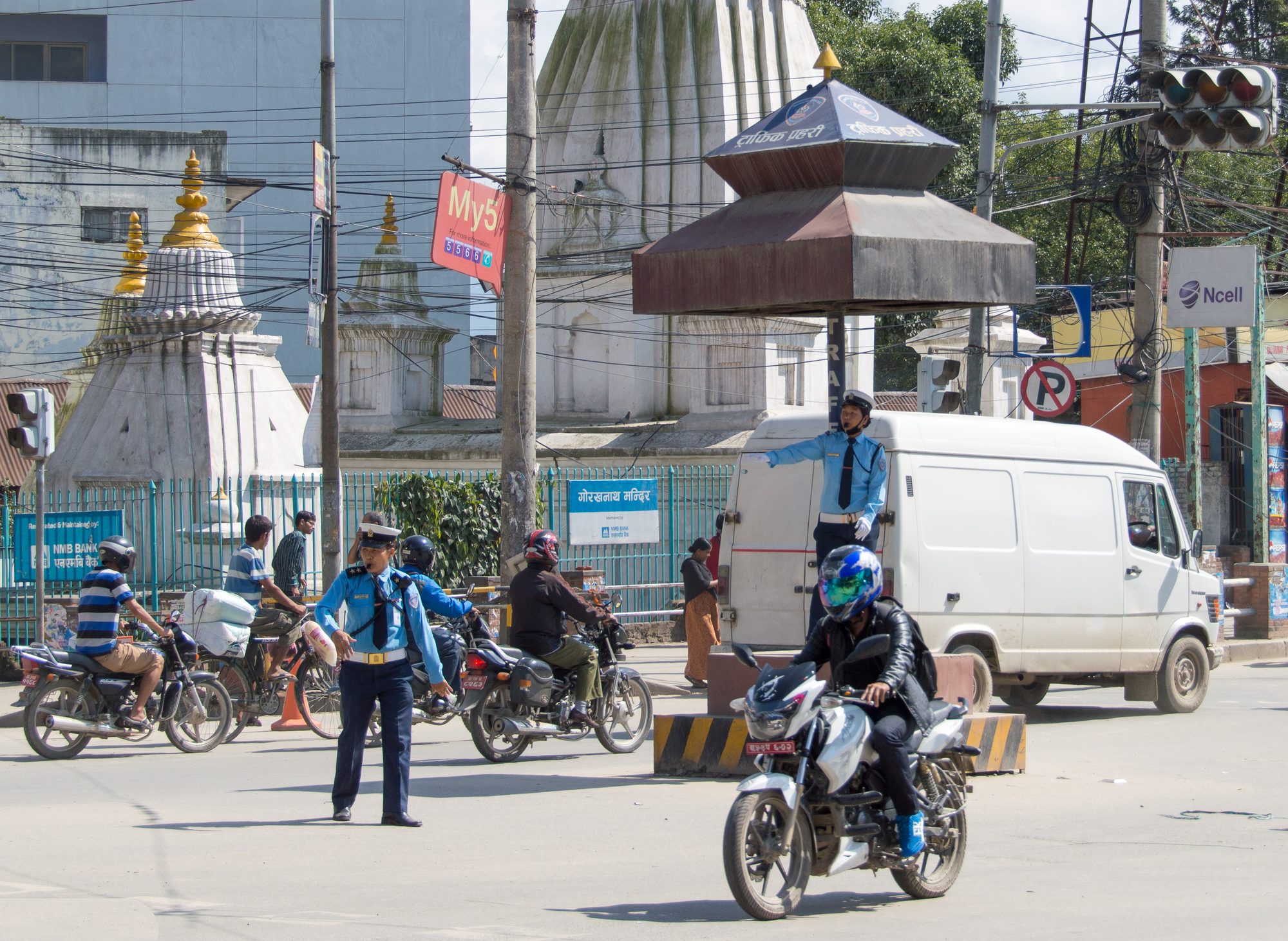
Nepal has become one of the most electrified car markets in the world with little fanfare. Electric vehicles made up more than 70% of new car sales in 2025, according to the energy think-tank Ember, as cited by the Kathmandu Post. Mongabay puts the figure at 73% and ranks Nepal second globally for EV adoption. For a country that produces no oil and imports every litre of petrol and diesel, the logic is simple.
The fuel bill
Petroleum is Nepal's largest import. In FY 2025/26 the country spent Rs 172.43bn on diesel and Rs 77.26bn on petrol, together about $1.6bn, according to customs data compiled by Nepal News. Total fossil fuel imports run to about Rs 300bn a year, Mongabay reports. At the same time Nepal has a monsoon surplus of hydroelectricity, which it now sells to India. Every car that runs on Nepali power instead of Indian diesel narrows the trade gap twice.
Pump prices have strengthened the case. By mid-April petrol cost Rs 219 a litre in Kathmandu and diesel Rs 207 (see our earlier report on fuel prices). Dealers reported a sharp rise in bookings that month.
A cooler year
Yet the boom has slowed. In the first eleven months of FY 2025/26, Nepal imported 10,892 electric cars, jeeps and vans worth Rs 25.68bn, down 19% from 13,492 a year earlier, according to Department of Customs data reported by Meroauto. Imports of petrol cars rose 22% to 4,574 over the same period.
Some buyers appear to have waited to see what the government would do with taxes. They had reason to.
The new regime
The budget presented on 29 May by the finance minister, Swarnim Wagle, rewrote EV taxation. The old system levied customs duty of 15% to 80% and excise duty of 5% to 50%, both tied to motor power in kilowatts.
The new system applies a flat 20% customs duty on every EV, removes excise duty and replaces it with a "clean infrastructure investment fee" based on the vehicle's customs value. According to the Kathmandu Post, the fee is 2.5% on vehicles valued up to Rs 2m, 20% up to Rs 3m, 35% up to Rs 4m, 90% up to Rs 5m and 130% above that. The government says the money will pay for charging stations, battery recycling and domestic production.
Importers reacted badly. They estimated price rises from Rs 200,000 to more than Rs 10m depending on the model. Dhruba Thapa, a former president of the auto dealers' association NADA, said entry-level cars would be little affected but that the burden rises steeply with price. Bishnu Kumar Agrawal of MAW Group called the jump from 35% to 90% to 130% excessive. The former energy minister Kulman Ghising said the policy sent a discouraging signal on clean energy.
Early evidence
The first data under the new regime are mixed but not alarming. In the first two months of FY 2026/27, Nepal imported 2,834 electric cars, jeeps and vans worth Rs 6.70bn, generating Rs 4.29bn in revenue. Imports jumped to 2,145 in the second month, from 689 in the first, as dealers brought in stock for bookings taken at the August motor shows. China supplied the majority.
The design of the fee tilts the market towards cheaper cars, which may suit a country where most buyers are price-sensitive. The risk lies elsewhere. Taxing EVs heavily at the top end raises revenue now, but every buyer pushed back to petrol adds to an import bill paid in scarce dollars. Whether the government has struck the right balance will show up not in this year's customs receipts but in next year's fuel imports.
How this story was made: researched and written by The Standard’s desk with AI assistance, from the published reporting and official data credited below, and checked against those sources. Our standards.
The long view Nepal's LDC graduation



