Rasuwa flood reconstruction: Nepal should borrow long, not short
The flood's bill is close to a tenth of the economy. How Nepal pays for it matters as much as what it builds.
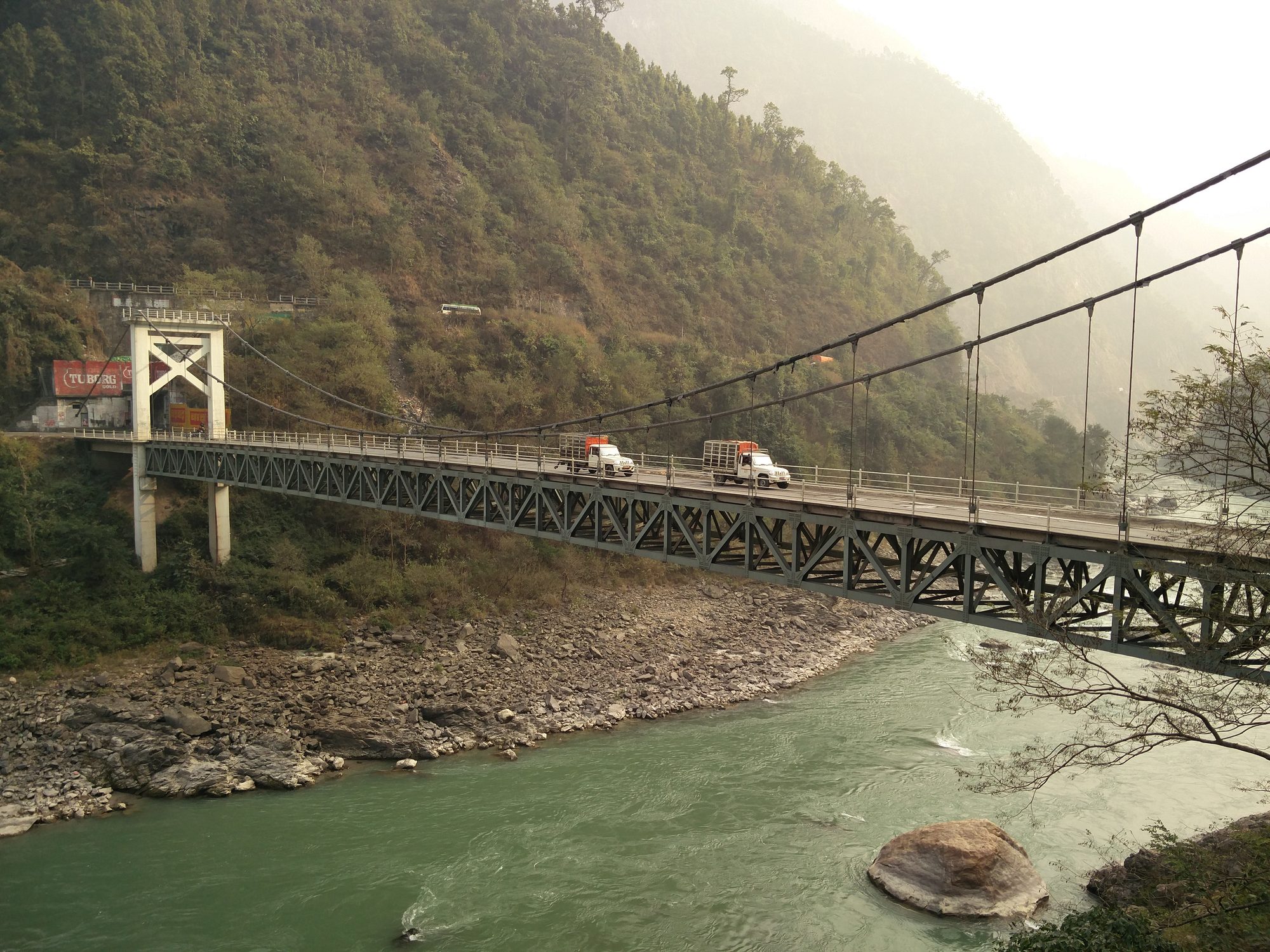
The flood that came down the Bhotekoshi on 26 August will cost Nepal far more than the lives and power plants it took. A government rapid assessment puts the money needed for recovery at Rs 723.31bn, about $4.7bn and close to 11% of the economy, Onlinekhabar reported. Officials expect the fuller post-disaster needs assessment to come in about 30% higher, The Kathmandu Post reported. Energy alone accounts for Rs 390.62bn of the rapid estimate.
Set against that, the money in hand is small. The Asian Development Bank has given a $5m grant and China $2m, and $8.5m has come through a World Bank catastrophe facility, with $150m more on standby, the finance secretary told parliament, Ratopati reported. About Rs 12bn has been collected in the prime minister's relief funds. Insurance will help at the margin: preliminary claims with non-life insurers reached Rs 25.87bn by early September, Beema Post reported. Most of the bill will fall on the state.
Borrow long, abroad
That makes the question of how to pay the central one, and here the government has a choice it should make deliberately. Public debt already stands at 45.07% of GDP, according to the Public Debt Management Office. The IMF and the ADB judge it sustainable. The danger is not the total but its shape. External debt is mostly cheap, long-dated multilateral lending. Domestic debt, raised through treasury bills and development bonds, matures much faster, and it absorbed Rs 311.93bn of the Rs 386.22bn Nepal spent servicing its debt last year, IANS reported.
Reconstruction will be paid for over decades; it should be financed that way. The government is right to ask for grants first, but it should not let a preference for grants become a slide into short-term borrowing at home while donors deliberate. A clear ask, built on a published needs assessment, for concessional loans of 30 years or more is worth more than a year of hopeful waiting. Domestic bonds should fill gaps, not carry the load. And because the finance ministry drew up this year's Rs 658bn borrowing plan before the flood, it should revise that plan openly at the mid-year review rather than by quiet additions.
Build it so it is not rebuilt again
The second lesson is the one the World Bank pressed when it published its growth forecast: resilience and redundancy should be central to rebuilding roads, power and basic services, The Himalayan Times reported. For hydropower that means more than stronger concrete. At least 13 projects were hit, including the 111MW Rasuwagadhi plant, which the Nepal Electricity Authority said had been completely washed away, The Kathmandu Post reported. Licences in glacial river valleys should require up-to-date multi-hazard assessments and insurance that is checked, not assumed.
Nepal has done this before. Debt rose sharply after the 2015 earthquake, IANS reported, and the country absorbed it. The difference now is that investors had started to return before the flood: private investment rose 39.6% in 2025/26, the ADB said. A financing plan that is long, cheap and published would keep them. One that leans on short domestic borrowing would hand the bill, with interest, to the next government.
How this story was made: researched and written by The Standard’s desk with AI assistance, from the published reporting and official data credited below, and checked against those sources. Our standards.