Nepal grows prized coffee for Europe and Japan, but imports 29 times as much as it sells
Customs data show Rs 1.85bn of coffee imports against Rs 72m of exports in nine months. Most of the bill is instant coffee, while home-grown beans struggle on price.
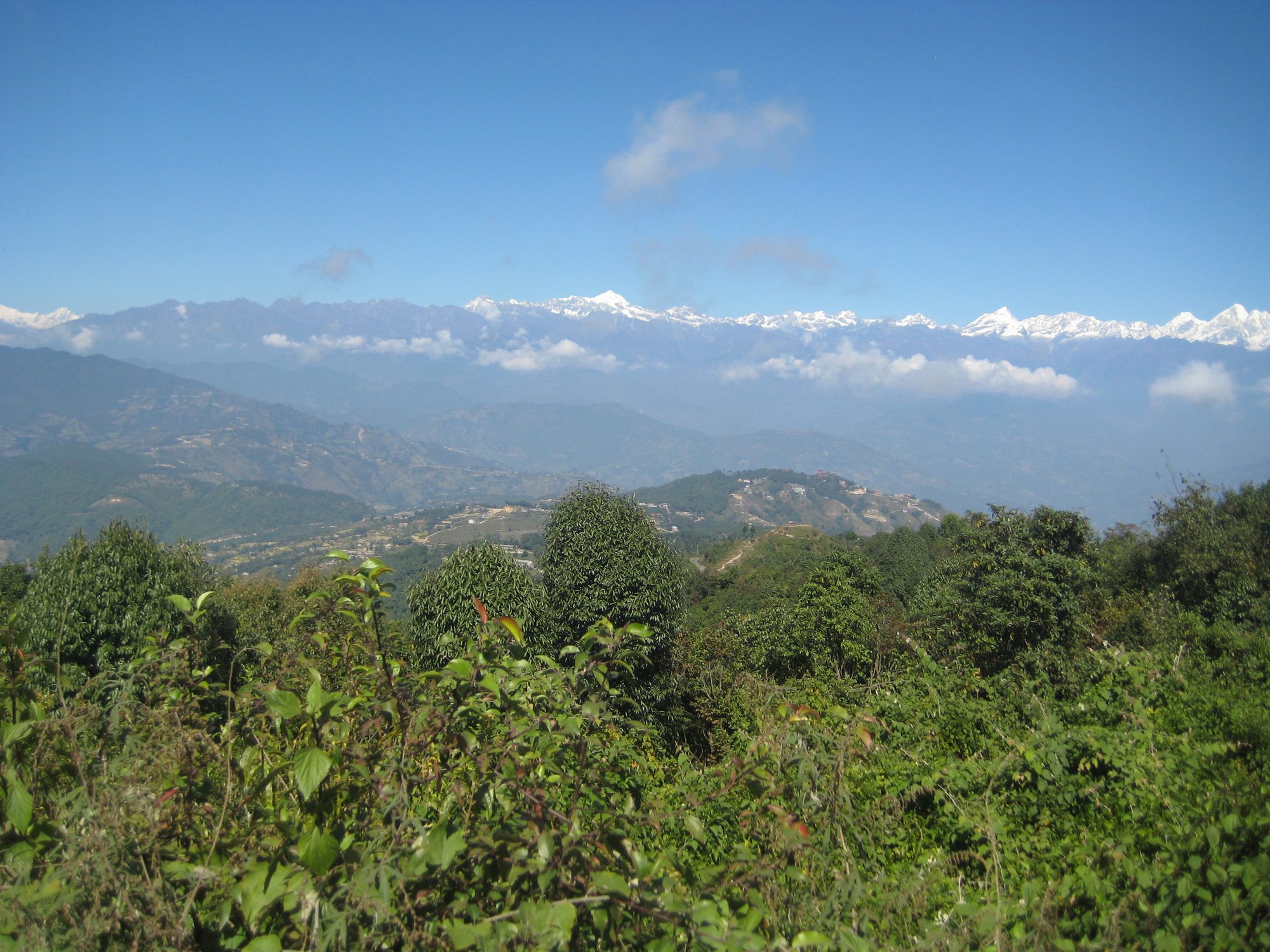
Nepal has built a small reputation abroad for high-altitude, largely organic Arabica coffee. At home, its coffee drinkers mostly buy foreign. In the first nine months of the 2025/26 fiscal year, Nepal imported 979,130 kilograms of coffee and coffee products at a cost of Rs 1.847bn (about $12m), while exporting 33,772 kilograms worth Rs 71.8m, Online Khabar reported in May, citing customs data. By volume, imports were 29 times exports, and the coffee trade deficit came to Rs 1.775bn.
Instant coffee accounts for most of the gap. Extracts, essences and concentrates cost Rs 1.508bn for 527,169 kilograms, according to Online Khabar. Coffee mixtures added Rs 184.8m. Unroasted beans, the product Nepal grows, made up only 172,996 kilograms worth Rs 113.1m of imports, and roasted coffee Rs 40.4m.
Growing, but not enough
Domestic coffee farming has expanded quickly. Between 2020/21 and 2024/25 the cultivated area grew by 80%, from 3,052 hectares to 5,501 hectares, and production doubled from 314.5 tonnes to 641.9 tonnes, Online Khabar reported. More than 30,000 farmers grow coffee in 43 districts, and interest among younger farmers is rising, Kantipur reported in July, adding that demand now exceeds supply and is pushing export prices up.
But Nepal's annual demand is more than 2,800 tonnes, according to Online Khabar, so local beans cover less than a quarter of consumption even before the instant products that make up most imports. Price is part of the problem: Nepali green beans sell for Rs 1,600 to Rs 1,700 a kilogram, against Rs 1,200 to Rs 1,300 for imported Indian coffee, the outlet reported.
A niche export
What Nepal does export is almost all raw. Unroasted beans made up 97% of exports in the nine months, 32,645 kilograms worth Rs 69.9m, while roasted and processed coffee came to only 625 kilograms, according to Online Khabar. Germany was the largest buyer by value and Switzerland by volume, followed by Italy, Japan and the United Arab Emirates.
The export volume is small even by Nepal's standards. In 2023/24 the country exported 89 tonnes worth Rs 149.2m and imported 443 tonnes worth Rs 419.8m, Online Khabar reported in November 2024; at the time, a spokesman for the National Tea and Coffee Development Board said only about 90 of roughly 500 tonnes produced were exported. Nepali coffee fetched about $16 a kilogram abroad, roughly three times the $5 to $6 a kilogram paid for imports, the same report found.
Coffee sits inside a category where Nepal still runs a surplus. In the first two months of 2026/27, imports of tea, coffee and spices were Rs 2.03bn against exports of Rs 3.04bn, Republica reported.
What to watch
The full-year customs figures for 2025/26 will show whether coffee exports picked up in the final quarter. Beyond that, whether Nepal's beans can compete on price with Indian coffee in the domestic market, rather than only in speciality markets abroad, will decide how much of the import bill local farmers can capture.
How this story was made: researched and written by The Standard’s desk with AI assistance, from the published reporting and official data credited below, and checked against those sources. Our standards.
The long view Nepal's LDC graduation



