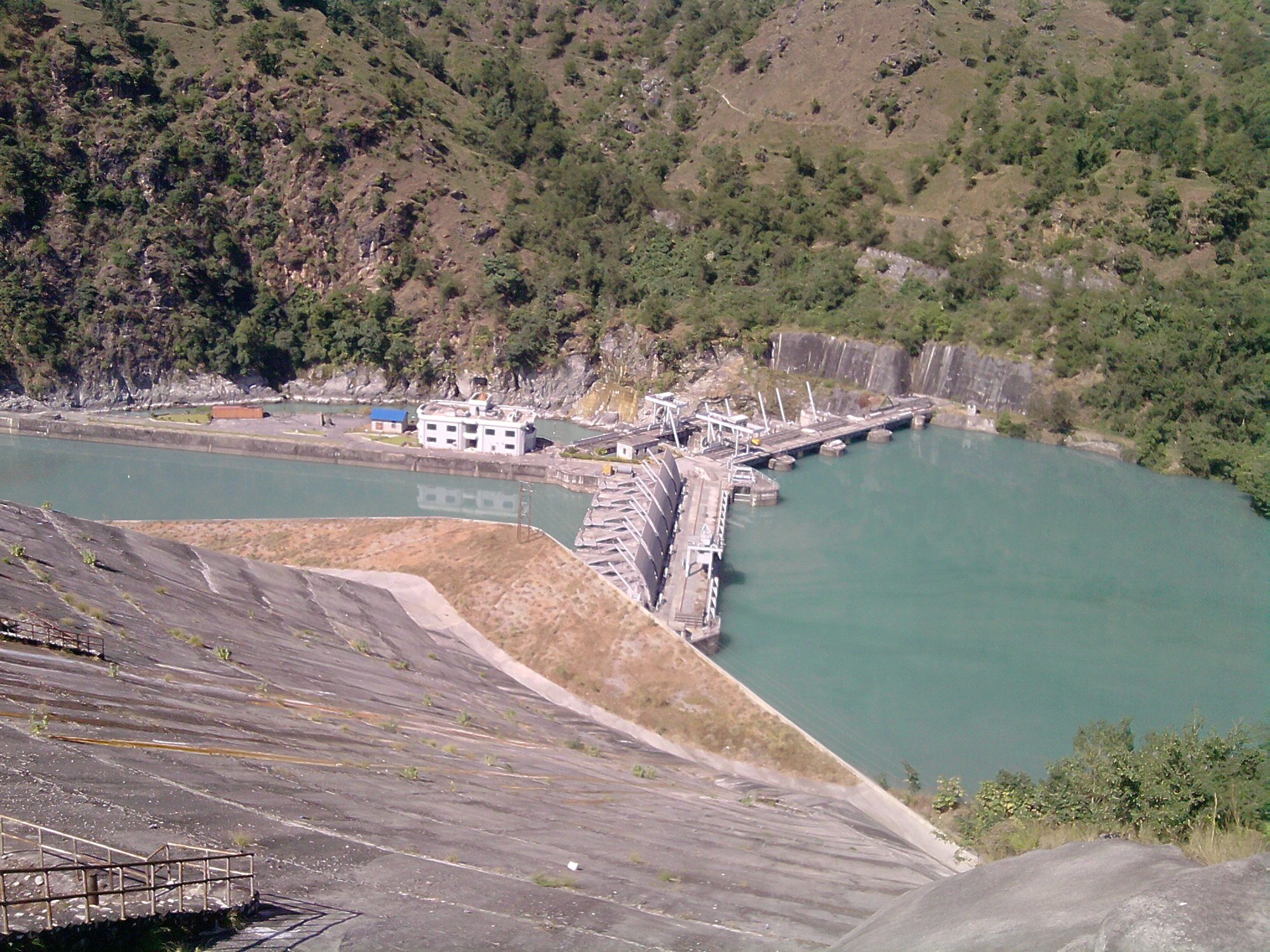
Bhotekoshi flood hit 14 hydropower projects, with preliminary losses above Rs 12.46bn
Fourteen hydropower projects damaged on 26 August 2026 still await a rebuilding plan and a funding route, while life insurers have been told to ease claims for affected families.
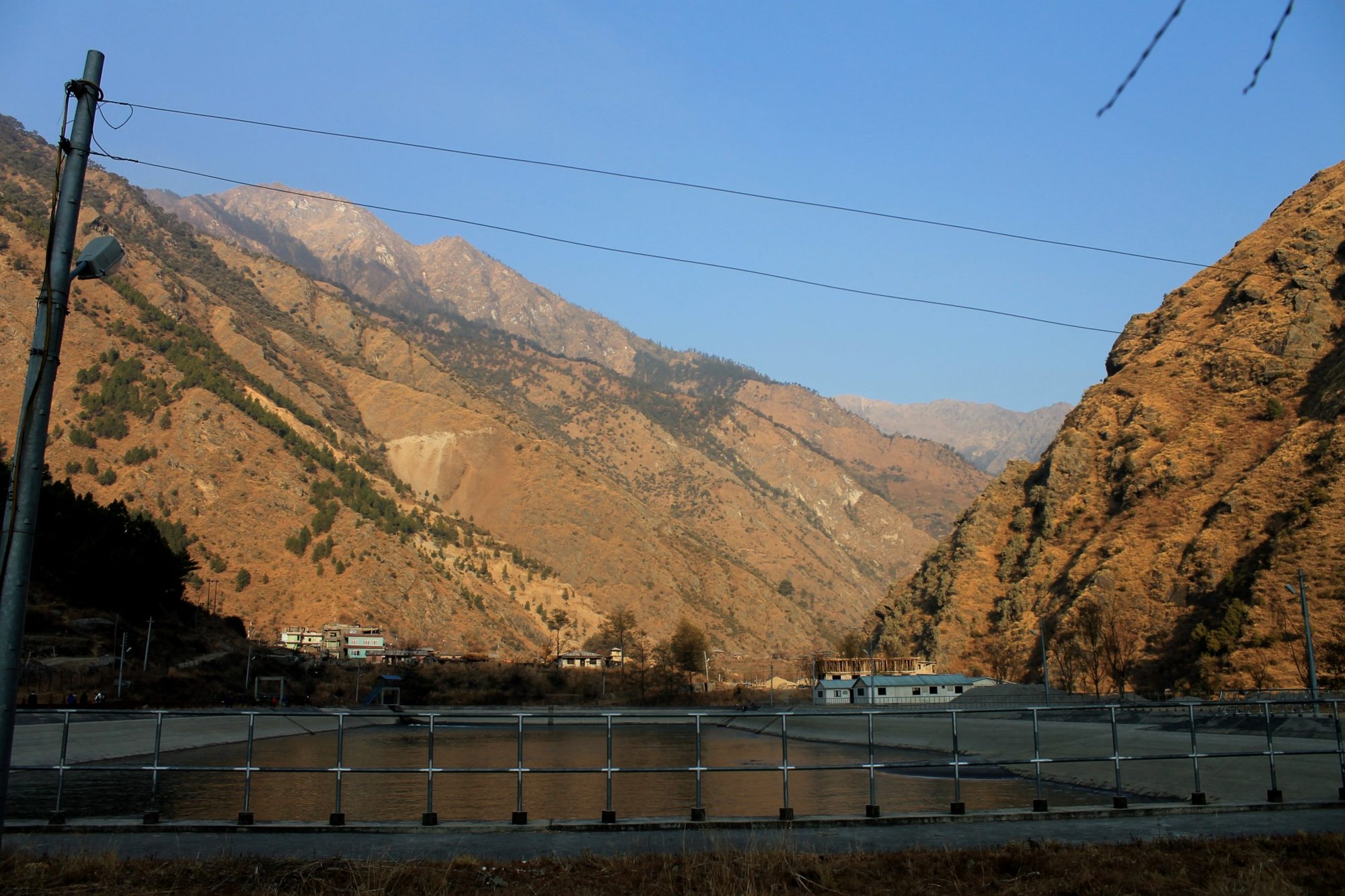
The Bhotekoshi flood of 26 August 2026 hit 14 projects in Rasuwa and Nuwakot districts, and by 4 November 2026 there was still no clear plan for rebuilding them, nor a settled answer on how the cost would be shared.
For investors in a sector that Nepal hopes will export power across South Asia, the question matters well beyond the valley. A country betting on hydropower for growth must show that it can absorb a disaster of this kind.
The scale of the damage
Preliminary losses are put at more than Rs 12.46bn, or about $83m at the central bank's rate of Rs 150.56 to the dollar. Seven of the projects belong to the Nepal Electricity Authority (NEA), the state utility, and its subsidiaries. Seven are run by private companies.
Source: Online Khabar
The figure is provisional. The Ministry of Energy, Water Resources and Irrigation has sent its damage details to the National Planning Commission for a Post-Disaster Needs Assessment. Its spokesperson, Mohan Kumar Shakya, said no final assessment is possible until that report arrives. No reconstruction approach has been settled, and officials intend to choose a model only after a detailed damage study and a technical report.
The NEA's Chilime project has invited bids to clear debris and sediment from its underground powerhouse. At the other affected sites, reconstruction has not moved forward. Structures, roads and bridges were all damaged, and several locations remain hard to reach.
Who pays for the projects
How much insurance will cover remains uncertain.
The Rasuwagadhi Hydropower Project is among those affected. Its operating company is totting up damage to property, buildings, vehicles and structures still being built, and is working with insurance surveyors on its claims. It is also weighing whether a rebuild makes financial sense for shareholders.
The company's secretary, Narnath Neupane, said the answer depends on the state. If the project can be restored on the same site under a revised design and cost, it can proceed. A change of design would change the cost. Grants or concessional loans would be needed, he said, and fresh market borrowing would be hard in current conditions.
The project is not generating revenue, yet interest falls due. The company said it had paid bank interest up to the end of fiscal 2025/26 but was unlikely to be able to repay the principal. It also said it had been unable to pay its Employees Provident Fund instalment for Ashoj 2026, the Nepali month that runs from mid-September to mid-October. Delay in rebuilding could raise costs and deepen its debt.
Bijay Mohan Bhattarai, manager of the Langtang Khola Hydropower Project and secretary of the Independent Power Producers' Association, Nepal, estimated that projects operating before the flood could need two more years to rebuild. That means two years of lost revenue while interest builds on construction loans. Insurance alone would not cover the gap, he said, and some projects risk becoming unviable. He wants a package that includes more time and debt restructuring by banks.
The bridge problem
Money is not the only constraint. According to the Rasuwagadhi company, it needs around six bridges, at places including Syafrubesi, Ronga and Yangyang, to reach its headworks, desander and powerhouse. The company says it will build two itself and that the government is responsible for the other four.
Foundations are being laid for a Bailey bridge, a prefabricated temporary structure, at Syafrubesi. Both Neupane and Bhattarai say such a bridge cannot carry heavy construction equipment. Bhattarai puts the needed capacity at 50 tonnes, and says permanent bridges must also move forward.
Relief for policyholders
Separately, the Nepal Insurance Authority, the insurance regulator, has issued an eight-point circular directing life and micro-life insurers to ease death claims, policy surrenders, policy loans and maturity payments for policyholders affected by the floods in the Bhotekoshi, Trishuli and Narayani river basins.
Citizenship certificates, national identity cards, driving licences, passports and land ownership papers can prove identity and kinship. A local government recommendation or a court declaration can establish a death or disappearance.
If policy documents were lost in the floods, insurers must rely on their own files and provide copies at no charge. If a policyholder is missing, insurers must pay on an heir's self-declaration, which carries legal liability should the person turn up alive.
What this means for investors
The NEA and its subsidiaries own seven of the damaged projects, and the size of the insurance claims is not yet known. Rasuwagadhi's position shows how exposed a developer can be when revenue stops but obligations continue.
There is also a regional argument. Bhattarai says the local economy in the affected area has come to a standstill and that restarting the projects would revive it. That gives the government a reason to treat the rebuild as public policy and not only a private loss.
What to watch
- Publication of the Post-Disaster Needs Assessment by the National Planning Commission, which should turn the Rs 12.46bn estimate into a final figure.
- The Electricity Regulatory Commission's findings on sharing costs among insurers, the government and concessional lenders.
- Any government grant, concessional loan or debt restructuring package for developers.
- Progress on access bridges for the damaged projects, including the four that Rasuwagadhi says are the government's responsibility.
How this story was made: researched and written by The Standard’s desk with AI assistance, from the published reporting and official data credited below, and checked against those sources. Our standards.
The long view Nepal's hydropower, from load-shedding to exports
The long view Nepal's LDC graduation