Nepal's festival vehicle sales: motorcycles boom, cars stall at closed borders
Dashain and Tihar bring up to 40% of Nepal's car sales. In 2026, flood damage and closed crossings to China held up the electric cars buyers had booked, while motorcycle showrooms filled.
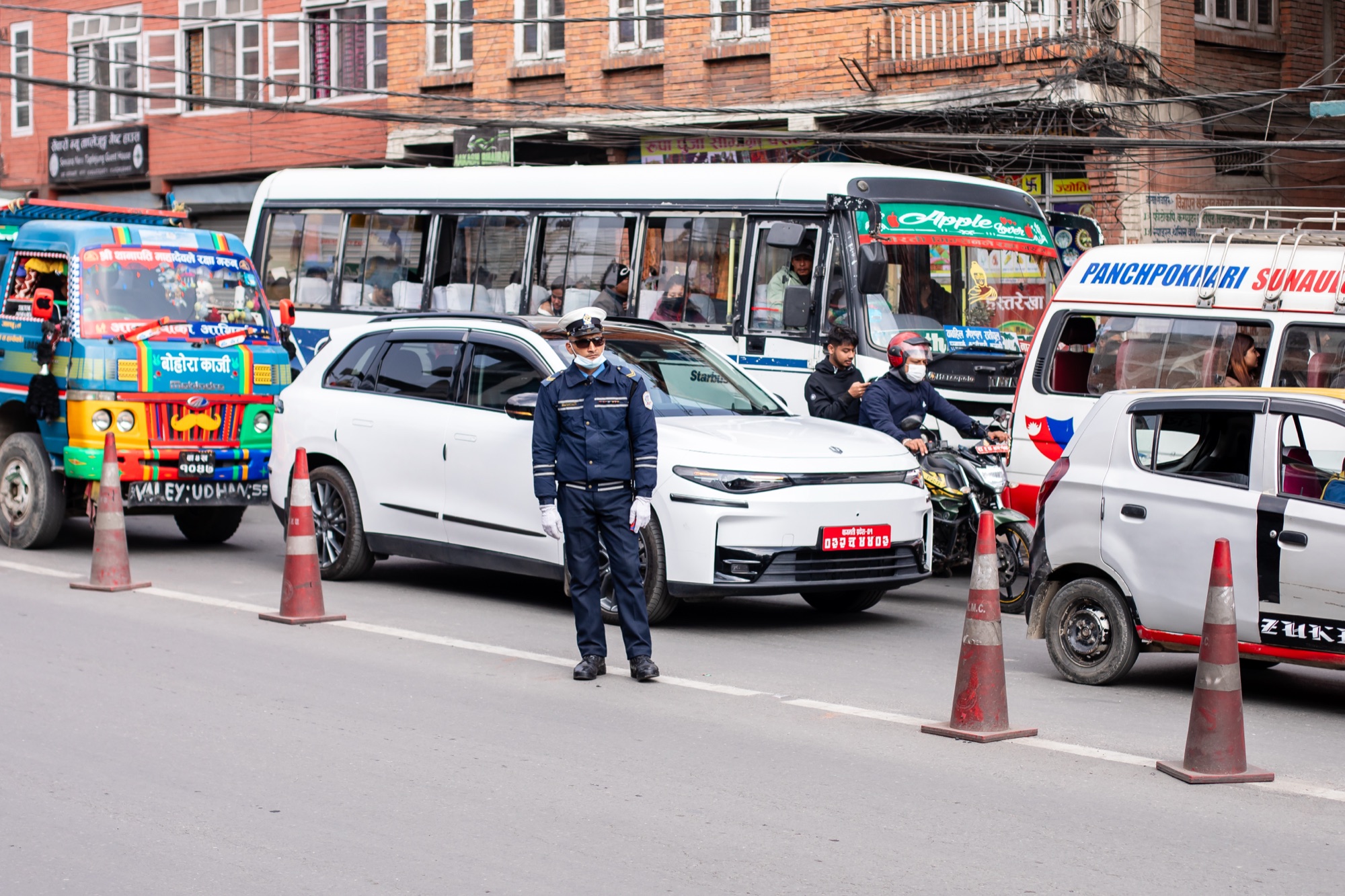
On Ghatasthapana, the first day of Dashain, which fell on 11 October 2026, the motorcycle showrooms of Naxal and Teku were busy from early morning. Buyers waited for hours to collect Royal Enfields, Yamahas, Hondas and TVS models, and staff handed over vehicles all day. A few kilometres away, a different kind of customer was making a different kind of call. "Customers who have booked cars are calling us and asking when their vehicles will arrive," one car importer said in early October 2026. "We do not have an answer for them."
That split defines Nepal's 2026 festival vehicle season. Two wheels sold as they always do at Dashain. Four wheels, two thirds of them electric and many of those Chinese, ran into a wall of closed borders, flood damage and nervous buyers, in the months when the trade expects to make its year.
The season the trade depends on
No time matters more to Nepal's vehicle dealers. Around 40% of annual car sales happen in the festive season of Dashain and Tihar, according to industry estimates reported by the motoring site Meroauto, and motorcycle dealers say nearly a quarter of their annual sales can come in the same weeks. The August auto shows are timed to take bookings for festival delivery.
This year the shows came and went without the usual excitement. The NAIMA Mobility Expo and the NADA Auto Show 2026, both held at Bhrikutimandap in Kathmandu in August 2026, the NADA show from 25 to 30 August, drew the major Chinese brands, from BYD and Deepal to Chery, Geely and MG. But by late September footfall had not picked up as it normally does before Dashain, and buyers appeared to be waiting to see what would happen. "It doesn't even feel like Dashain is coming," one dealer told Meroauto on 22 September 2026.
A supply line cut three ways
The reason was on the map. Most Chinese-made cars sold in Nepal come over the northern border, and in 2026 all three of its crossings failed within a month.
Rasuwagadhi, the main crossing on the road to Kerung, closed on 26 August 2026 after floods on the Bhote Koshi damaged the road and the customs yard. The flood reached vehicles already in transit: around 150 NAMMI electric cars were swept away in the Rasuwa customs area, said Milan Babu Malla, executive director of MAW Group. Tatopani closed from the Chinese side on 30 August 2026, with no date set for reopening. That left Korala, a remote crossing in Upper Mustang that was never built for heavy trade.
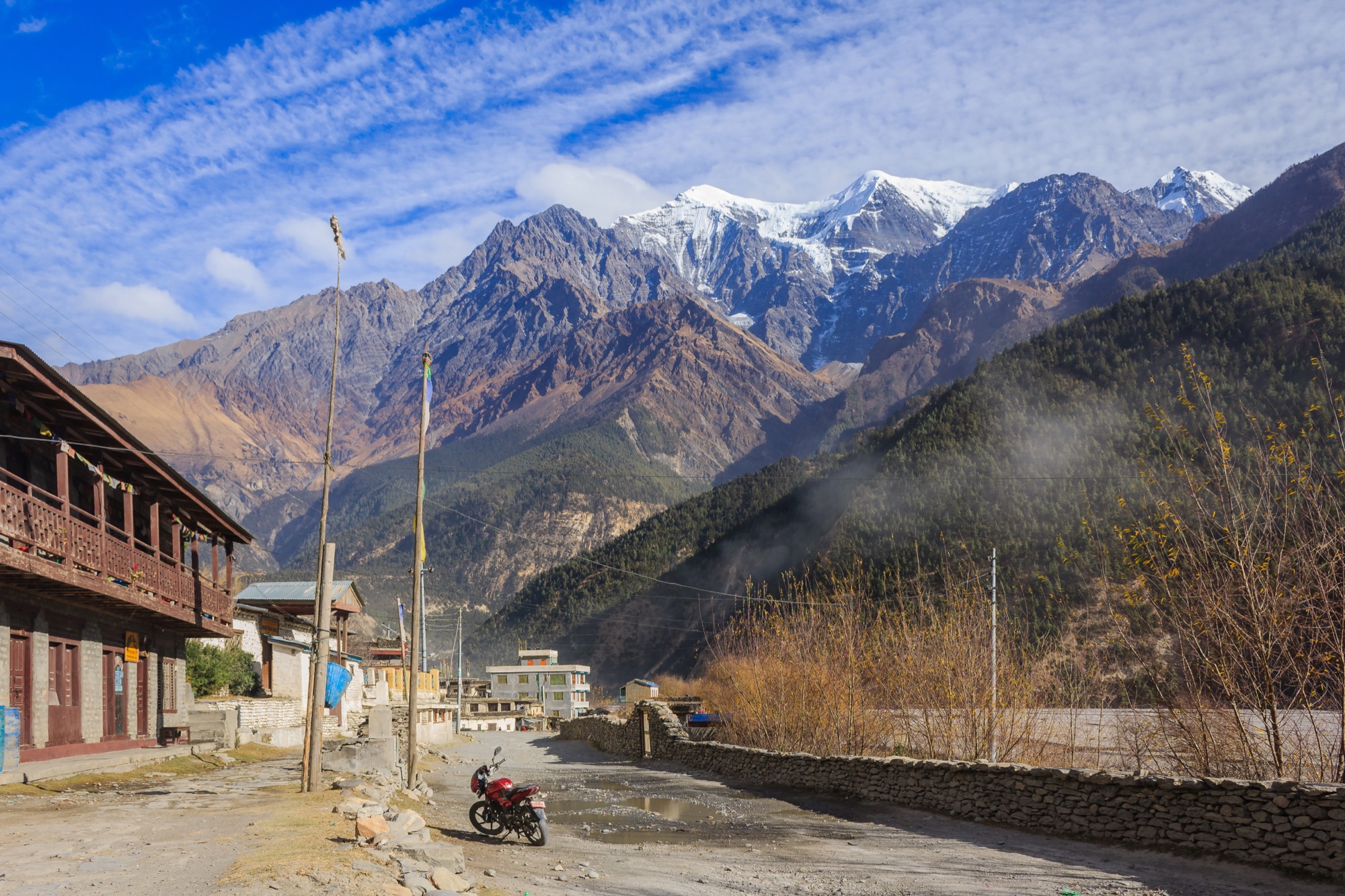
Importers rerouted there. In the two weeks after the closures, 641 electric vehicles and 434 containers cleared through Korala, and the Mustang customs office collected Rs 1.78bn, averaging about Rs 300m a day from 6 September 2026. BYD, Chery, Omoda, Jaecoo, MG, Leapmotor and others all sent cars down the Kali Gandaki corridor. Then four days of rain from 24 September 2026 damaged that route too, at 46 places along the corridor, before two-way traffic resumed on the Ghansa to Korala section.
Source: Meroauto
By early October 2026, popular models were booked for delivery until after Tihar. Importers of Indian-made cars, and of Chinese brands shipped through India, were largely unaffected. Deepal cars, for example, come from Thailand via India, and their importer promised to deliver every car booked at the August show by Tihar. That gave Indian-made electric cars an opening, if Chinese models missed the festival.
A market already cooling
The festival squeeze landed on a market that was already slowing. In the fiscal year 2025/26, which ended in mid-July 2026, Nepal imported 15,806 cars, SUVs and vans, down 10.8% from 17,720 a year earlier, with an import value of Rs 30.24bn. Much of the drop was inventory: importers brought in around 5,500 vehicles before the previous year's budget in expectation of higher taxes, and many sat unsold when demand slowed.
Electric vehicles still dominated, but lost ground. Imports of electric cars, SUVs and vans fell 20.11% to 10,847, while petrol vehicles rose 19.72% to 4,959. Of those petrol vehicles, 2,280 arrived as kits for local assembly, most of them for Hyundai, the only carmaker assembling passenger vehicles in Nepal, which builds the Creta and the Venue.
- Electric10,84769%
- Petrol4,95931%
Source: Department of Customs, via Meroauto
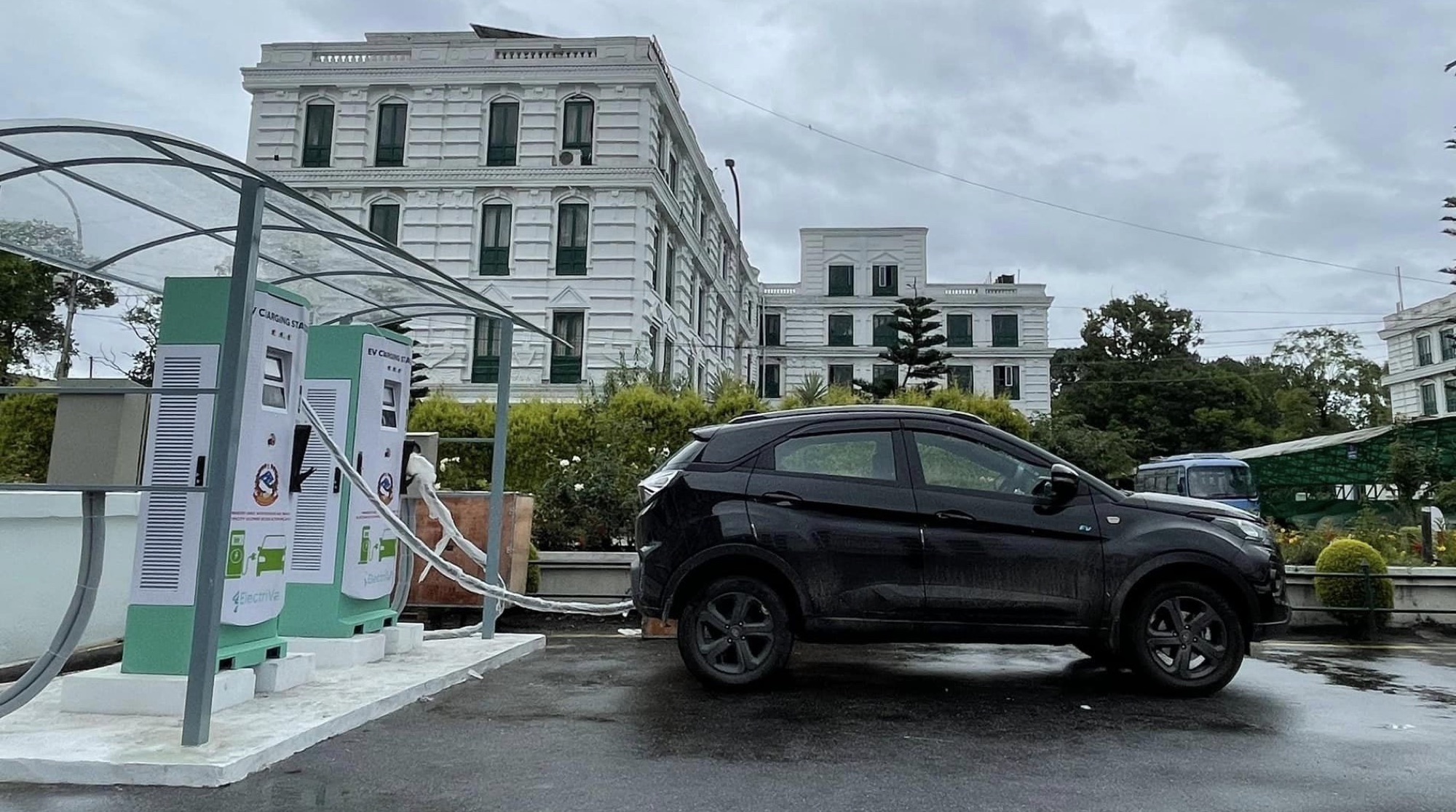
Petrol cars make up about a fifth of car sales, according to Meroauto, and their sales were down on last year heading into Dashain. Fuel prices are one reason buyers still lean electric. When petrol in the Kathmandu Valley reached Rs 202 a litre in April 2026, EV bookings jumped: Yamuna Shrestha, managing director of Cimex Inc, BYD's distributor, said the company recorded 30 to 40 bookings in two days.
A new tax tilts the showroom
The 2026/27 budget changed the arithmetic again. From 29 May 2026, Nepal stopped taxing imported electric cars by motor power and moved to a tax based on their value: a flat 20% customs duty, the abolition of excise duty, and a new Clean Infrastructure Investment Fee that rises with a car's customs value. Reported rates run from 2.5% for vehicles valued up to Rs 2m to 110% above Rs 5m, though published readings of the bands differ and the band between Rs 2m and Rs 3m was left unclear.
The effect favours cheaper electric cars and electric two-wheelers and pushes up the price of mid-range and premium models. One legal analysis by Attorney Nepal estimated increases of Rs 200,000 to Rs 500,000 for popular models in the Rs 3m to Rs 4m range, such as the BYD Atto 3, Deepal S07 and MG ZS EV. That is likely to push buyers towards cheaper models.
What a lost festival costs
The cost of a weak season spreads well beyond showrooms. Vehicles are one of the government's largest sources of customs revenue: passenger vehicle imports alone brought in Rs 26.06bn in 2025/26, Rs 15.47bn of it from electric models. Every car stuck at a closed border is revenue delayed. Dealers who paid for stock in advance carry the cost of cars they cannot deliver, and vehicles lost on the closed China route have left insurance claims that Meroauto put in the billions of rupees. Lenders that finance car purchases are likely to see less festival business as well.
Two-wheelers softened the blow. Their supply relies far less on the northern crossings, and at Dashain their showrooms filled. But cars carry the larger tickets and the larger tax bills, and for them this festival season will be measured in deliveries that arrive after it ended.
What to watch
- Customs figures for the first quarter of 2026/27 (mid-July to mid-October 2026), which will show how many cars made it in for Dashain.
- The reopening of Tatopani and the repair of the Rasuwagadhi road, the routes the trade needs before the next season.
- Whether the new value-based tax shifts sales towards cheaper electric models, and how much ground Indian-made EVs take while Chinese supply is constrained.
How this story was made: researched and written by The Standard’s desk with AI assistance, from the published reporting and official data credited below, and checked against those sources. Our standards.
The long view Nepal's LDC graduation