Nepal Telecom fibre requests double, with a threefold rise projected, as private ISPs drop budget plans
Private providers withdrew cheap short-term plans before Dashain in 2026, and the state operator, with a Rs 4,999 offer and a prime ministerial post behind it, has seen applications climb sharply.
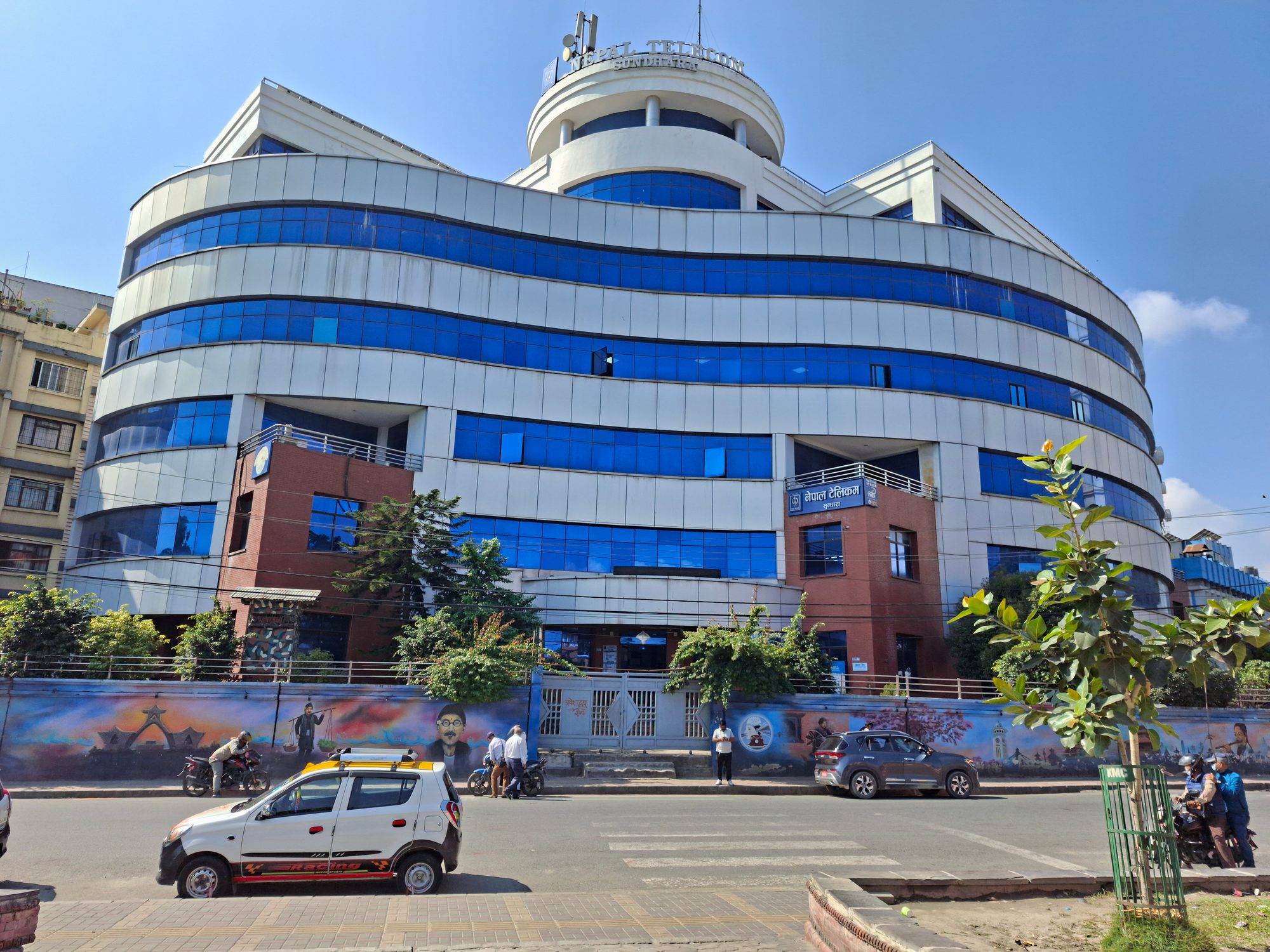
When a social media post from the prime minister put Nepal Telecom's annual internet plan in front of the public, the state-owned operator's hotline (198) filled with unanswered calls and long waits. The company responded by moving applications for new connections onto its online portal.
The episode shows how quickly a market can tilt when private providers raise the floor and a state-owned rival lowers the price. It also poses a question for investors in Nepal's broadband sector: is this a seasonal bump or the start of a lasting shift in fixed internet?
What happened to demand
Nepal Telecom (NTC) is the state-owned telecoms operator. Its joint spokesperson, Prakshet Thapa, said the company typically received about 3,000 new fibre-to-the-home (FTTH) connection applications a month in the Nepali months of Saun and Bhadau in 2026. In Asoj 2026 the monthly figure doubled to more than 6,000. Thapa projected that Kartik 2026 could reach 9,000, three times the earlier baseline.
Source: Nepal Telecom, via Clickmandu
How private providers opened the door
The Internet Service Providers Association of Nepal (ISPAN) collectively decided to discontinue one-to-three-month packages slower than 50 Mbps from 19 Asoj 2026, ahead of the Dashain festival. Private operators blamed rising operating costs and higher prices for optical fibre, chipsets and fuel.
That left only costlier, longer-duration plans on the private menu. Low-income households and light users, who had relied on cheap short plans, had fewer places to go.
One reading, offered as analysis, is that the providers were responding to input costs, as they say. A collective move by an industry body also leaves a gap that a rival outside the agreement can fill.
The state operator's offer
Nepal Telecom launched a festive package for Dashain and Tihar in 2026 at Rs 4,999 a year for a 30 Mbps connection. It became the most sought-after plan. The operator added a Rs 500 waiver on new installations, a one-month bonus on annual high-speed subscriptions and free mobile data bundles.
The sources give no private prices, so no comparison can be drawn here.
The tailwind was political as well as commercial. Prime Minister Balendra Shah shared a post highlighting the plan on the eve of Phulpati in 2026, a day in the Dashain festival calendar. The company says the post lifted demand by up to threefold. An endorsement of this kind is not something a private provider can easily replicate, though that is an inference, not a reported finding.
A small base, a large ambition
Nepal Telecom serves 374,787 FTTH subscribers. If applications in Kartik 2026 reach 9,000, a single month would equal about 2.4% of that base, and a few such months would add up.
Source: Nepal Telecom, via Clickmandu
The company says its network has enough headroom to absorb the growth without hurting speeds. It is expediting rollout in remote and peripheral areas, and says applications are being processed smoothly where fibre is already laid. Applications are not connections, and the gap between them will show whether the state operator can deliver at the pace of its promotion.
What to watch
First, whether the Rs 4,999 plan outlives the festive season. A promotion that ends after Tihar would blunt the shift. Second, whether private providers restore cheaper short plans if they lose customers. Third, how many of the projected 9,000 applications in Kartik 2026 become working connections, and how fast. Finally, watch the hotline and portal: service quality, not price alone, will decide whether new subscribers stay.
How this story was made: researched and written by The Standard’s desk with AI assistance, from the published reporting and official data credited below, and checked against those sources. Our standards.