Nepal Oil Corporation pushes Rs 30bn LPG pipeline to Sarlahi
A 131km pipeline and 50,000-tonne store would cut road dependence for cooking gas, but how it will be financed is still to be decided.
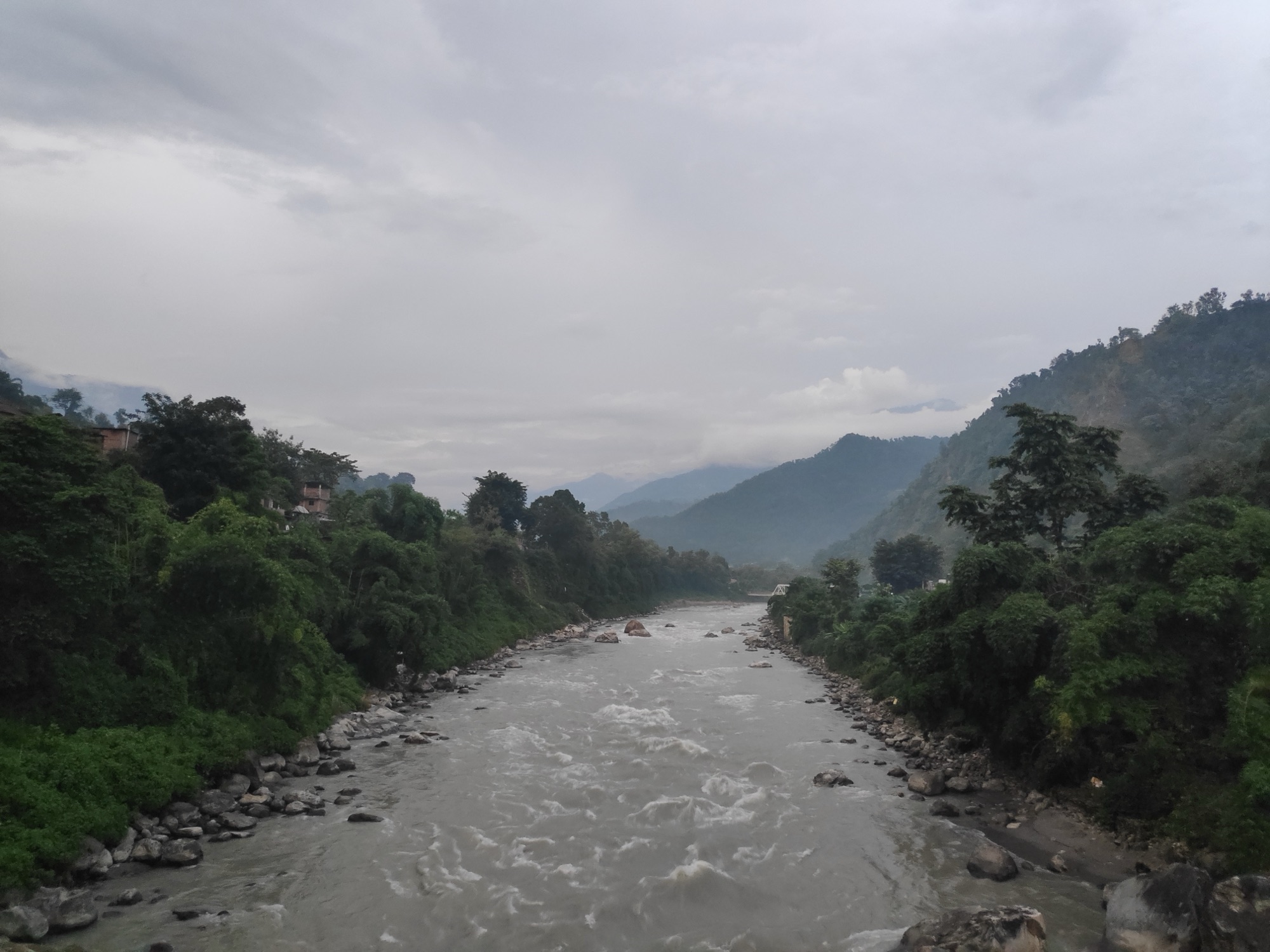
Nepal's cooking gas arrives in Indian tanker trucks that must cross the border, often after a journey of up to a week. When a landslide or flood closes a highway for even a few days, the shortage shows up in households. Nepal Oil Corporation (NOC), the state fuel importer, now wants to replace much of that road chain with a pipe in the ground.
The plan is a roughly 131-kilometre LPG pipeline from Motihari in India to Sarlahi in Nepal, with a 50,000-tonne storage facility at the end of it. NOC says the store could cover about a month of national demand. The provisional cost is Rs 25bn to Rs 30bn, or roughly $165m to $198m at the central bank's rate of Rs 151.44 to the dollar.
A fragile road chain
Nepal buys LPG from several Indian refineries and moves it in specialised tankers known as bullets. Barauni is among the nearest refineries. Supplies from Durgapur, Mathura and Paradip travel much further, and a delivery can take from three or four days to a week. Congestion, customs procedures, accidents and highway closures add delay.
Demand is substantial. More than 15 million household cylinders of 14.2kg are in use, and 58 privately operated plants bottle and refill them. NOC estimates that 100 to 120 tankers must be loaded each day to keep those plants supplied. Between 600 and 700 Indian tankers serve the trade, and NOC spends about Rs 6bn a year on LPG transport alone.
The corporation's LPG and aviation chief, Binit Mani Upadhyaya, cites the Bhotekoshi disaster as a reminder of how quickly roads and energy projects can be damaged.
Source: Online Khabar, quoting NOC
What would be built
The pipeline would follow the route of the existing Motihari-Amlekhgunj petroleum pipeline as far as Pathlaiya in Bara, then run east to Sarlahi. That final stretch is about 60 to 62 kilometres, laid along the left side of the road. Horizontal directional drilling would take it under rivers and other waterways.
NOC has put three elements to Indian Oil Corporation (IOC): the store itself, a bottling plant that can fill 25,000 cylinders a day, and a facility loading at least 100 tankers daily. That loading capacity matches the lower end of the daily demand NOC has estimated for the bottling plants.
Land is not the obstacle. NOC owns more than 14 bighas in Sarlahi, which IOC is assessing for design and layout.
Where the project stands
The project won in-principle approval at the fifth ministerial meeting of the Nepal-India Joint Working Group in New Delhi. NOC and IOC then formed a business-to-business committee, which has met virtually and exchanged technical papers. IOC has weighed an eight-inch pipe against a 10-inch one in a preliminary report. It has received a soil report from NOC and asked for an updated survey with geographical coordinates, which NOC says it will send shortly. Work on a detailed project report (DPR) has begun.
The sequence matters. Talks on a financial model begin only once the DPR fixes the design and a firmer cost. The two governments will then decide how to pay, including whether India offers a grant. Given the strategic weight of the project, the final call is expected at higher political and administrative levels in both capitals.
Who gains, and who may not
The case for the state is plain. Storage gives a supply chain that runs close to the wire a buffer, and a pipeline removes long-haul trucking from the largest part of the journey. NOC expects to save on long-distance transport costs, though it has not put a figure on the savings.
The distribution of gains is more interesting. The project could lessen reliance on Indian tanker operators, and NOC expects Nepali haulers to carry gas from Sarlahi to bottling plants nationwide. For domestic transporters that is a business opportunity. For the Indian fleet of 600 to 700 tankers, the shift could mean less cross-border work, though how it would be managed is not yet known.
There is also a trade-off the plan does not erase. A pipeline cuts exposure to Nepal's roads and weather, but it may deepen the link to one supplier and one corridor. With IOC as the design partner and India a possible grant provider, the project could tie Nepal's cooking fuel more closely to Indian infrastructure. That may be a fair price for reliability, yet it is a strategic choice and not only an engineering one.
The state's role would also change. NOC's direct presence in large-scale gas storage has so far been almost negligible, so a 50,000-tonne facility would give it a physical stake in a market where 58 private plants now bottle and refill the gas.
What to watch
- Delivery of the DPR, which will fix the design, pipe size and a firmer cost than the Rs 25bn to Rs 30bn estimate.
- The financing decision, particularly whether India offers grant assistance.
- Political sign-off in both capitals.
- How the plan treats Nepali transporters and the Indian tanker fleet.
How this story was made: researched and written by The Standard’s desk with AI assistance, from the published reporting and official data credited below, and checked against those sources. Our standards.
The long view Nepal's LDC graduation