Nepal anti-scam centre aims to freeze fraud money in 10 minutes
Police receive 200 to 300 cyber-fraud complaints a day. A joint centre and holiday bank contacts are meant to make recovery faster.
Stolen money in Nepal can pass through as many as four bank accounts in a minute. A victim's route is far slower: a complaint to their own bank, another to the police Cyber Bureau, then requests to each receiving bank to freeze funds that have often already gone. Only about 10% of money lost to scams is recovered, according to the Cyber Bureau's spokesperson, Deepak Raj Awasthi.
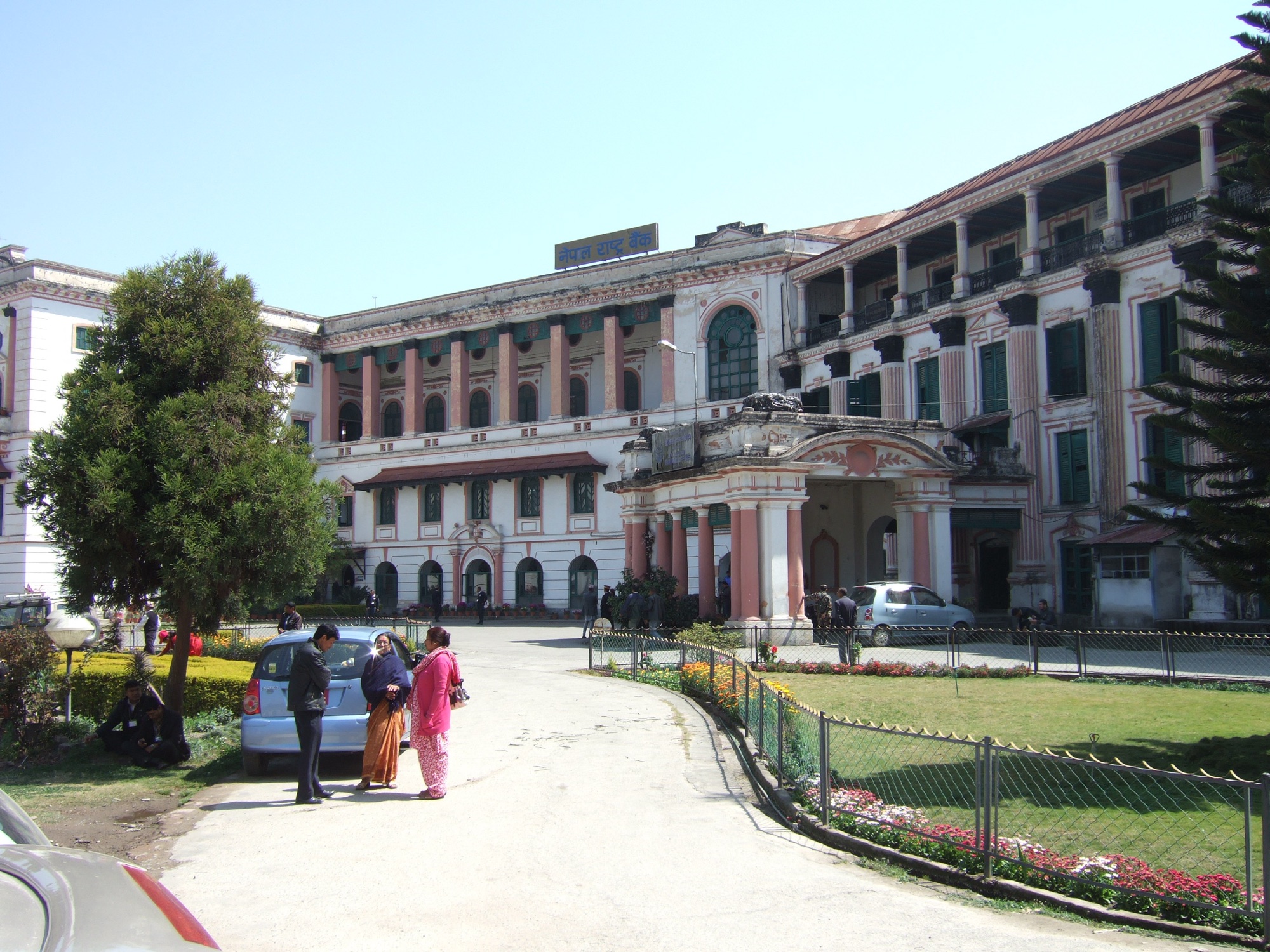
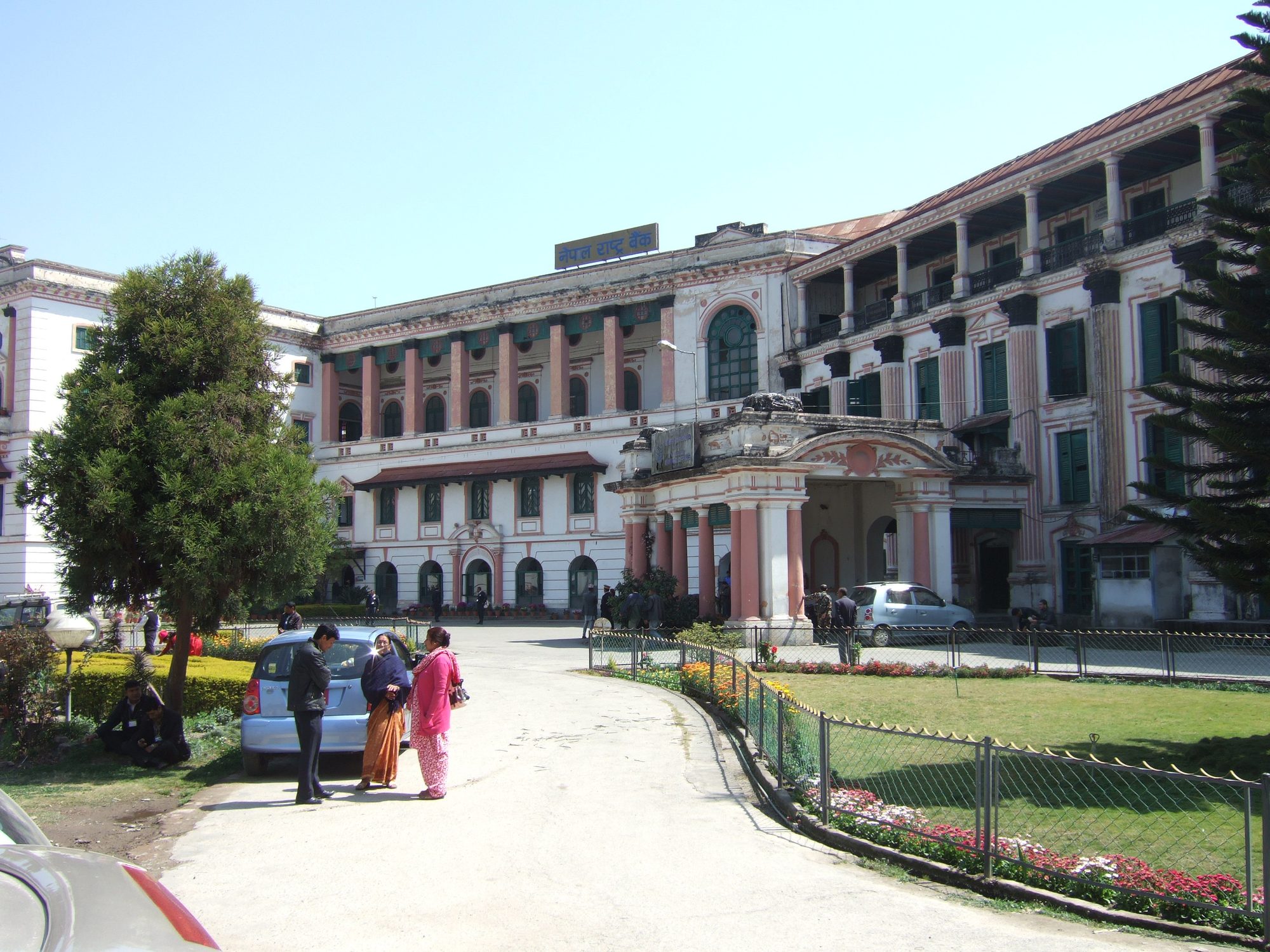
Two moves aim to narrow that gap. The Nepal Rastra Bank (NRB), the central bank, has directed lenders to name cyber-fraud contacts for the Dashain, Tihar and Chhath holidays. Separately, the government is preparing a dedicated anti-scam centre, a plan reported on 14 October 2026. Read together, they suggest that the weak link in Nepal's digital finance is less the technology of payments than the coordination around them.
A holiday rule for the festival season
The directive covers licensed Class A, B and C banks and financial institutions. Each must send Nepal Police Headquarters a contact person's name, designation and mobile number. It must also supply an email address that is either staffed at all hours or available for on-call replies.
The goal is to get fraud details to police fast, spot suspect accounts and transactions early, and freeze money tied to suspected fraud promptly. The NRB's stated reasoning is that fraud risk persists during public holidays, when banks and police still need a working channel.
For banks the cost is small: a named person and a monitored inbox. The signal is larger, since fraud response is now expected to continue over the festival period.
What the anti-scam centre would do
The centre would bring the NRB, police, banks, finance companies, payment system operators, internet service providers and telecom companies together. It would run separately from the Cyber Bureau, with representatives working around the clock, a hotline and named contacts at each participating organisation.
The Ministry of Home Affairs has approved the proposal, which originated with Inspector General of Police Dan Bahadur Karki. Operations could start within a month of 14 October 2026, provided the Ministry of Finance approves the budget. That approval is the open question.
Source: Online Khabar, Nepal Police Cyber Bureau spokesperson
Once running, the centre would try to block the accounts, numbers and websites that scammers use, examine suspicious transactions, and begin returning money to victims after fraud is established. It would also prepare case files for the districts where victims live. Tracing transfers between accounts can currently take up to five months in some cases.
Its scope is narrow. It will handle domestic online scams, not sophisticated hacking. Unauthorised access to systems, or attacks on a bank's SWIFT network, the global messaging system for cross-border payments, would stay with the Cyber Bureau and other cybersecurity agencies. The NRB is also working on a Financial Computer Emergency Response Team for sector incidents.
The legal gap
Freezing quickly is one problem. Returning the money is another. Section 52 of the Electronic Transactions Act, 2006, allows gains from fraud to be recovered and paid to the affected party. It also provides for penalties of up to Rs 100,000, up to two years in prison, or both.
Police officials and bankers say the law is unclear on how to hand back money that has been split across several bank accounts, and they want the central bank to introduce clearer provisions. A centre that can freeze funds in minutes still needs a rule telling a bank when it may release them to a victim.
Sushil Paudel, an NRB representative, floated using AI to help settle disputes over returning stolen money. In his view, litigation is lengthy and unwieldy, while fraud cases often follow recurring patterns. Banks agreed they need faster procedures to establish whether money was obtained by fraud. The idea would first need work on its legal footing and on how far an AI system could shape financial decisions.
Why it matters beyond Nepal
Nepal is not alone. According to Awasthi, other countries have built similar centres as fraud has spread worldwide, and Nepal is following that model with a hotline and an integrated information system. For foreign banks, payment firms and investors, the lesson is familiar: instant payments favour whoever moves first, and public trust in digital finance depends on how fast the system can respond.
For Nepali banks, the implications are mixed. Participation means staff time and faster obligations to freeze accounts, and freezing in haste could raise disputes over funds held in error. But lenders also bear the reputational cost of fraud on their platforms. Telecom and internet providers, which would join the centre, face a similar trade-off.
Paudel also stressed that financial awareness matters alongside infrastructure, since people can be caught by attractive offers or while using ordinary services. A faster freeze reduces losses; it does not remove the reason people fall for scams.
What to watch
- Whether the Ministry of Finance approves the budget, which determines if the centre opens within a month of 14 October 2026.
- Whether the NRB issues clearer rules on returning funds that have passed through multiple accounts.
- How banks staff their contact roles during Dashain, Tihar and Chhath, and whether freezing times improve.
- Whether the 10-minute target is met, and whether the recovery rate rises above about 10%.
- Any legal framework for AI-assisted dispute resolution.
How this story was made: researched and written by The Standard’s desk with AI assistance, from the published reporting and official data credited below, and checked against those sources. Our standards.